Deep beneath the earth's surface, molten magma takes millions of years to cool slowly, and that slowness is a gift: each mineral crystal has time to develop into a dense, interlocking structure, producing granite with its distinctive crystalline appearance, high strength and long-term durability.
Granite consists mainly of quartz, feldspar and mica, and may contain trace minerals such as amphibole, hornblende, biotite and iron-bearing minerals. The proportion and distribution of these minerals determine the colour, crystal texture and variation of each type, so its appearance ranges widely from clean white, light grey and warm beige to deep black, green, red and blue. Unlike marble, whose pattern forms during metamorphism, granite's character comes from the size, colour and arrangement of its mineral crystals as the magma solidified.
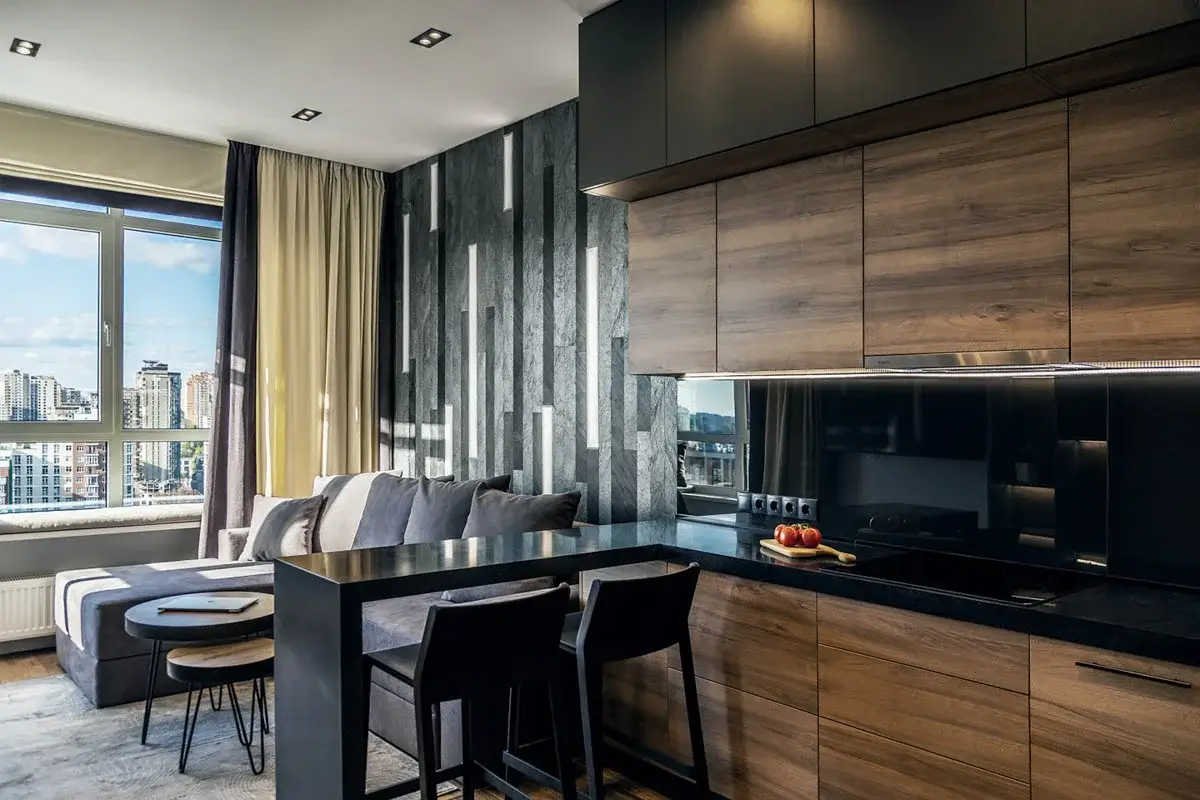
Granite has a Mohs hardness of around 6–7, reflecting its high quartz content. Its density is typically around 2.6–2.8 g/cm³, or about 52–56 kg/m² at 20 mm thickness. Its porosity is usually lower than that of many marbles, though it still varies by type and finish. High hardness helps it resist scratching, abrasion and wear, so it can be relied on in heavily used areas.
With its durability and natural beauty, granite has stood in monuments, cathedrals, public buildings and contemporary architecture for centuries. Its crystal depth, broad colour range and toughness suit kitchen counters, bathroom surfaces, floors, staircases, exterior paving, facades, furniture and architecture that demands long-term performance.
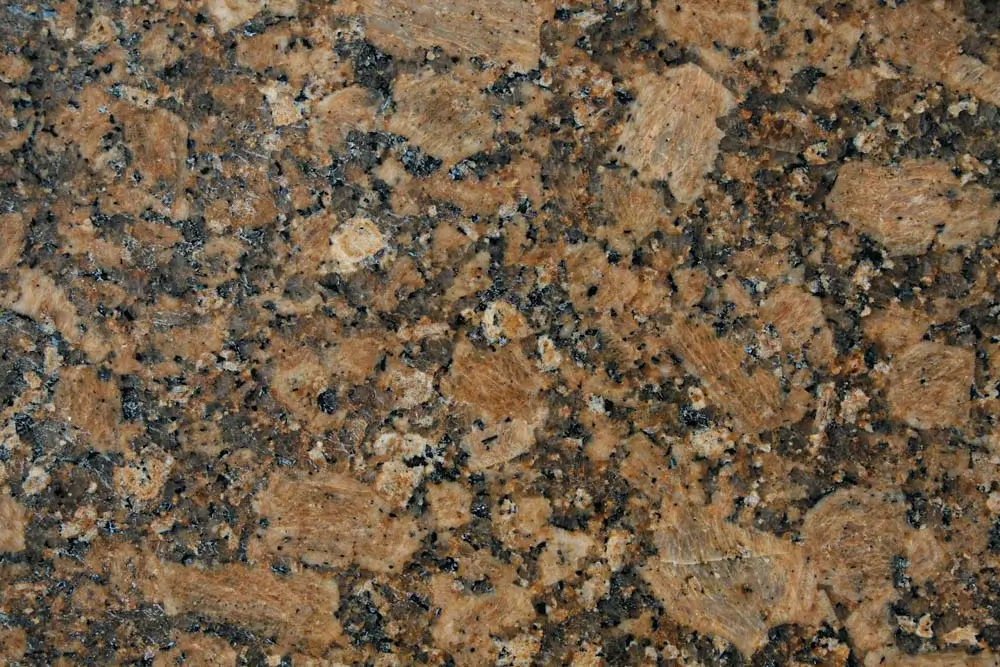
Even so, granite is still a natural material, and each slab has its own geological characteristics to consider during selection, processing and installation. Mineral composition, crystal structure and natural fissures can differ from block to block. Properly specified and maintained, granite offers a balance of performance, natural structure and timeless beauty.