marble
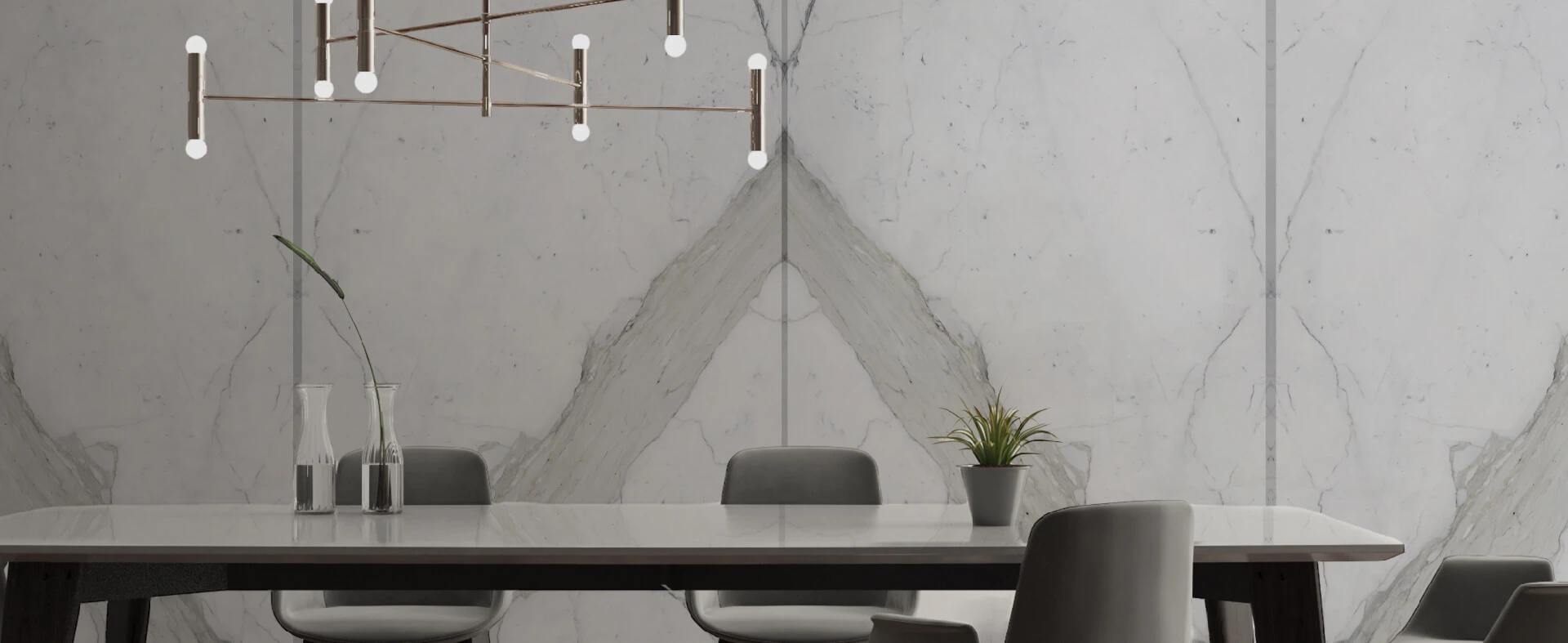
Marble , a high-end home decorating material, is valued for its strength and beautiful patterns. It's a popular choice for homes and buildings, including luxury projects that utilize marble fromSiamtakto enhance their value.
Siamtak imports various types of marble from around the world to provide Thai people with a wide selection for home decoration


MOON WHITE


LIGHT EMPERADOR

BLACK MARQUINA


SUPERGENTI


RED MEDINA


What is marble?
Marble originates from limestone, or calcium carbonate, that has been transformed by heat and pressure underground. This process results in the arrangement of mineral veins, and the colors are derived from various minerals embedded within the rock, depending on its origin.
Marble is a material created by nature's artistry, exhibiting diverse patterns and colors. Each type of marble possesses its own unique charm and character. Even as time passes, the beauty of marble continues to impress people around the world
Besides white and black marble, what other colors of marble are there?
Pure, 100% genuine marble will be entirely white, without any visible veins. However, other types of marble contain various minerals that alter its color depending on their proportions. For example, iron oxide gives marble its pink, red, or brown color, while mica, quartz, and iron oxide in varying proportions result in gray, white, or deep red marble. Many other minerals also contribute to different colors, leading to the diverse range of marble available today
Advantages and disadvantages of marble
strength
- Beautiful patterns and a natural quality, resulting from the formation of various minerals, give marble its exceptional beauty. It also comes in a unique and diverse range of colors, allowing for perfect use in home decoration
- Durability: Marble is a material that has existed for a long time, since it was a mountain of rock. Therefore, if it is not broken or damaged, it will have a very long lifespan because it will not rot or rust
- Easy to clean and does not trap dust. Because the stone is dense and has few pores, the marble does not absorb dust, making it easy to clean and safe for the health of those in the home
- Marble is a naturally cool material, making it a popular choice for flooring to keep homes cool
weakness
- As its name suggests, marble is inherently soft. Therefore, what you need to be careful about is dealing with hard or sharp objects that could scratch the surface of the stone
- Not resistant to acids and alkalis. Marble is not very sensitive to acids and alkalis. Harsh cleaning products or vinegar should never be applied to the stone surface, as this may cause stains
- If stones are exposed to strong sunlight for extended periods (several months to several years), their color may fade
Where can marble be installed?
Because marble is not as strong as granite or quartzite, it is suitable for use in..
- marble floor
- marble wall
- marble stairs
- Marble dining table / Marble dining table
- Marble work desk
- Marble coffee table
- marble countertop
- Marble kitchen countertop
- Western marble kitchen
- Marble countertop
- Or in areas that aren't heavily used, as this might scratch the rock surface
However, for those who desire the aesthetic appeal of marble for flooring, marble stairs, or other areas with heavier use, it is possible to apply a surface coating to strengthen the stone. Nevertheless, this still does not make the stone as strong as granite or quartzite
Why is the marble at Siamtak so cheap?
Siamtak is a marble and granite supplier that imports its own stone from around the world and owns a large-scale manufacturing facility. This allows Siamtak to control production costs from upstream to downstream, enabling them to offer lower prices and making marble more accessible to Thai consumers, with prices starting at just 890 THB per square meter
Read more articles about marble, granite , and other types of stone here.
About marble
Formation
Formed over millions of years through the metamorphosis of limestone under intense heat and pressure, marble is one of the most celebrated natural stones in architecture, sculpture and interiors. It begins as calcium-rich sedimentary rock, where mineral crystals are gradually recrystallised into a denser, more luminous structure. This transformation gives marble its characteristic softness of movement, depth of colour and natural elegance.
Composition
Marble is composed primarily of calcite.
It may also contain clay, iron oxides, graphite, serpentine and other trace minerals. These elements were originally present within the limestone as layers of sediment, clay, silt or organic matter.
During metamorphism, heat and pressure transform and redistribute these minerals, creating the veining, tonal variation and expressive patterns visible within each slab.
Colour & veining
The colour and movement of marble are influenced by its mineral composition.
Calcite creates white, cream and pale luminous backgrounds.
Iron-bearing minerals introduce gold, rust, brown and red tones.
Graphite and carbon-rich materials create grey and black movement.
Serpentine and magnesium-bearing minerals contribute green tones.
Hardness & physical properties
- Rock type: Metamorphic
- Primary mineral: Calcite
- Mohs hardness: Approximately 3 - 4
- Density: Approximately 2.5 - 2.65 g/cm³
- Approximate weight: Around 50 kg/m² at 20 mm thickness
- Porosity: Varies according to the marble, geological structure and surface finish
Compared with granite and true quartzite, marble is generally softer and more porous. It therefore requires more considered use in areas exposed to scratching, staining and frequent wear.
Renowned for its visual refinement, marble has been used for centuries in some of the world’s most significant works of architecture and art. Its natural translucency, fluid veining and polished depth give it an enduring sense of luxury, making it suitable for feature walls, bathroom surfaces, vanity tops, flooring, staircases, furniture and decorative architectural details.
Yet despite its beauty, marble remains a delicate natural material. It requires considered selection, careful fabrication and proper maintenance, particularly in high-use environments. With thoughtful application, marble offers a timeless balance of classical beauty, natural movement and architectural sophistication — qualities evident in the enduring presence of marble architecture throughout history.
© 2026 Siamtak Company Limited. This datasheet is Siamtak's copyright.