Before a slab becomes a hotel lobby wall, a kitchen worktop or a building facade, it was once part of a mountain, lying still deep underground and travelling through millions of years. Understanding what stone is, and how geology classifies it, is the starting point for choosing stone with real understanding rather than on the beauty in front of us alone.
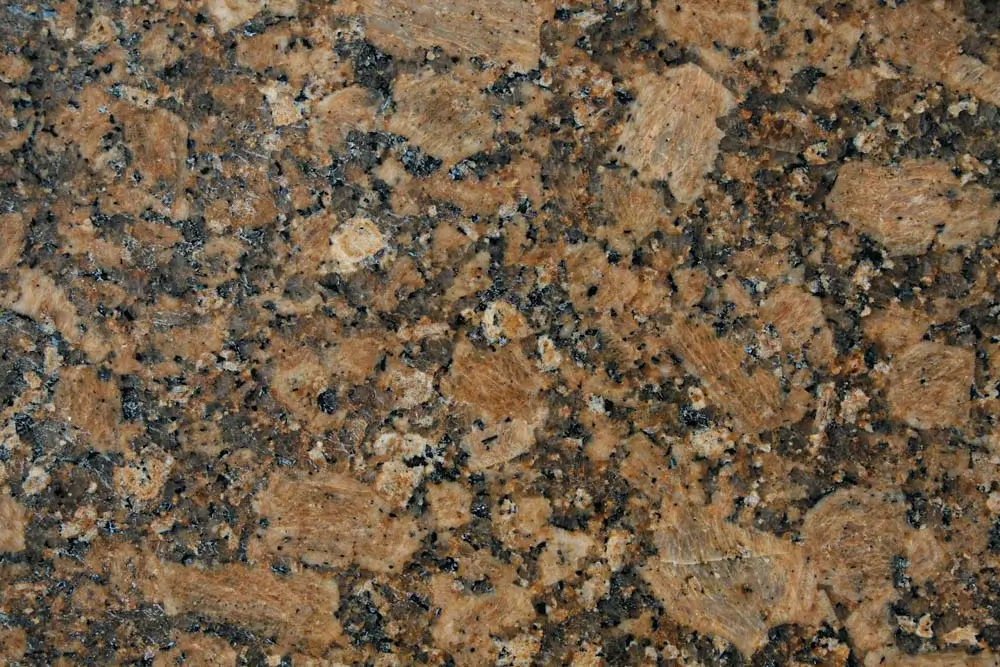
What Is Rock in Geology?
To a geologist, rock is a naturally formed aggregate of one or more minerals or mineral-like materials. Each mineral has its own chemical composition and crystal structure, like a signature that is never repeated. Common examples include quartz, feldspar, mica and calcite, key characters that reappear in the story of almost every stone.

What Is Stone in Architecture?
When stone travels from the mountain into architecture, the meaning of the word shifts a little. In construction and interiors, “stone” means natural stone that has been quarried, selected and processed until it is ready to use as a material. Interestingly, trade names and market categories do not always match geological classification, because materials tend to be grouped by appearance, by how they behave during processing and by the uses accepted in the industry, rather than by the geology textbook.

The Three Main Geological Groups
• Igneous rock forms when molten rock, or magma, cools and solidifies over millions of years.
• Sedimentary rock forms when minerals or organic matter accumulate, settle, compact and become cemented together over time.
• Metamorphic rock forms when an existing rock is transformed by heat, pressure, mineral-rich fluids or a combination of these, without melting completely. Metamorphism can create new minerals, increase density and cause folding or deformation within the stone.
How Geological Origin Shapes Appearance
The way each group formed leaves an honest trace on its surface. Igneous rocks often reveal a granular or crystalline structure. Sedimentary rocks may preserve layers of sediment, fossils, flow lines and natural cavities, while metamorphic rocks often show folded bands, recrystallised minerals and energetic veining. The next time you stand in front of a slab, try reading those patterns: you will find that every stone is always telling its own history.