What is granite? Benefits of granite. Characteristics you need to know before using it
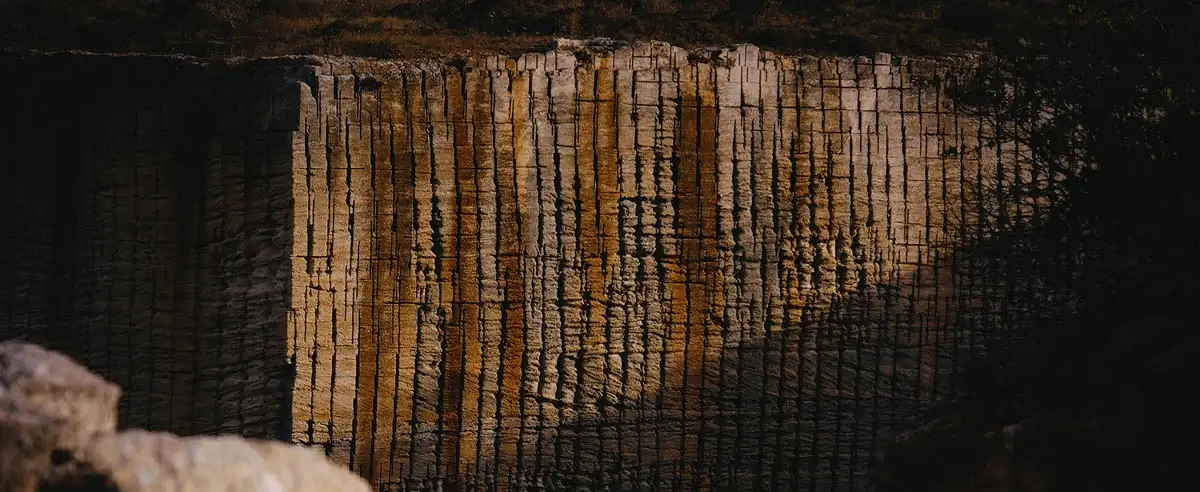
Having withstood the test of time for thousands of years, granite has become one of the primary materials used to construct treasuries and magnificent tombs of the great Egyptian kings, as seen in the Great Pyramid of Giza, one of the "Seven Wonders of the World." This demonstrates thatgranite possesses both beauty and strength, which have been preserved to this day.

Granite is often used as a primary material for various architectural works, both interior and exterior, and for buildings. Today, granite has become an integral part of homes, used in furniture and decorative items. It's incredible how this seemingly ordinary stone, when transformed, can become such a convenient material found throughout our lives. But did you know the history of this seemingly ordinary yet important stone, granite, and what makes it so popular today?

The origin of granite
The origin ofgranitecomes from igneous rock, which is formed from molten lava that cools and crystallizes under immense pressure beneath the Earth's crust. This process results in a rock composed of large mineral crystals, like granite. The mineral composition of granite consists of a minimum of 20% quartz and 35% feldspar, while the remaining proportion can be composed of other minerals such as mica, amphibole, hornblende, or pyroxene. The cooling process of these minerals is the underlying cause that makes granite a strong and durable rock.

Granite can be found all over the world, and in some countries, it can be found in multiple locations, providing more options for its applications. For example, Italy and China offer granite with unique characteristics, creating special and interesting variations depending on the region
Thailand has numerous granite quarries, often found along mountain ranges in various provinces. These ranges are broadly categorized into three zones: the Eastern Metropolitan Zone, the Central Metropolitan Zone, and the Western Metropolitan Zone. Each zone possesses its own unique characteristics, including the geochemical properties of the granite. Popular granite species include Thai black granite, Khao Thon, and Phanom Sarakham, but many other types of granite can be found in Thailand as well
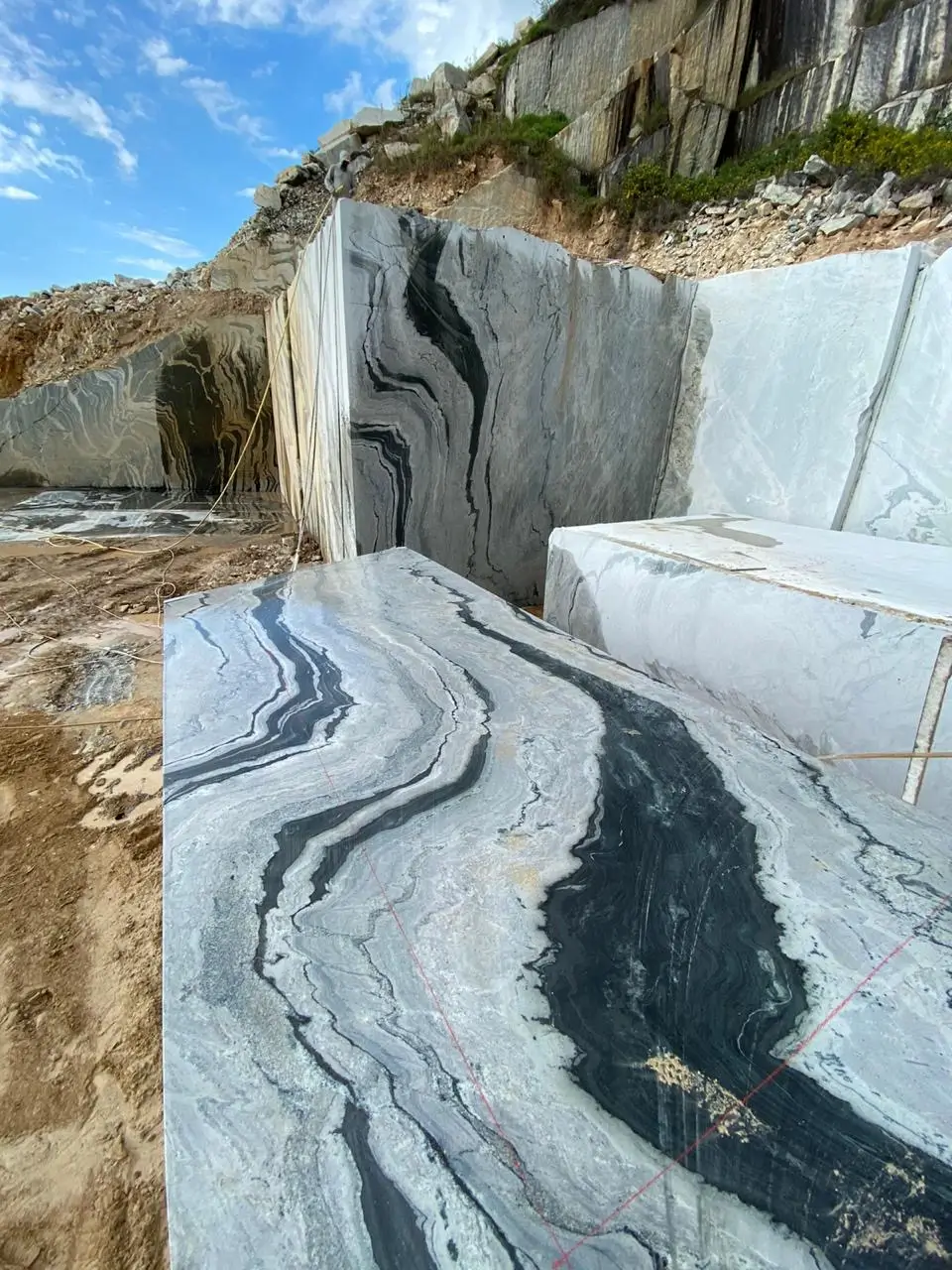

Characteristics and types of granite; Aesthetics: "The Beauty of Granite"
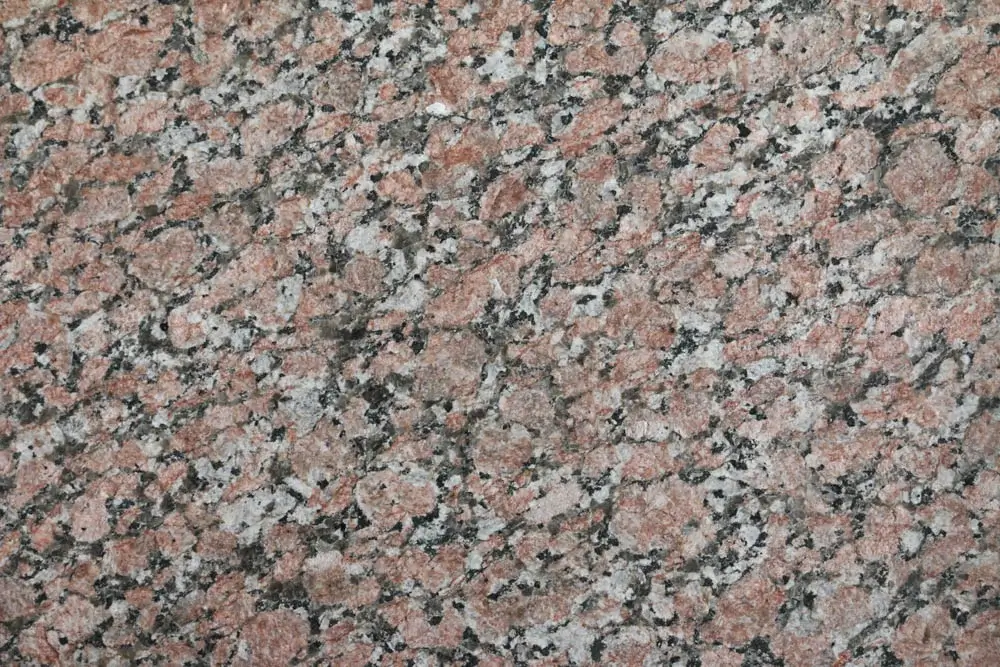
The color of granite is determined by the various minerals found within the rock, depending on the quantity and proportion of these minerals. For example, if potassium feldspar is present, the granite will be red or pink
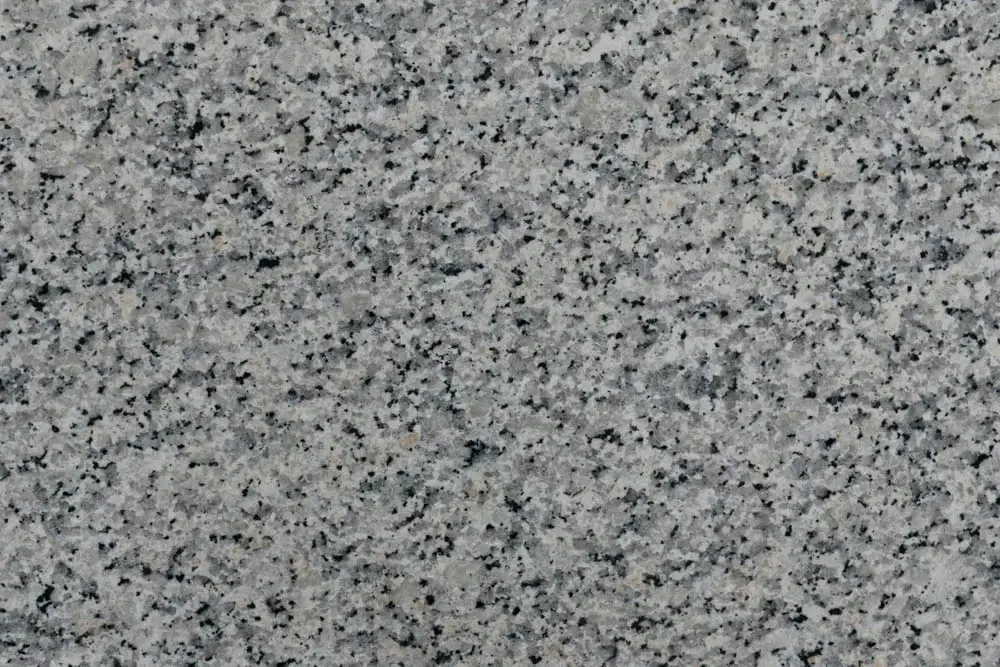
While quartz gives the rock its white or gray color
Other colors, such as yellow, are caused by the mineral muscovite; black and green by amphibole; and brown by biotite. Additionally, the brown, dark gray, and iridescent markings are due to mica components within the rock
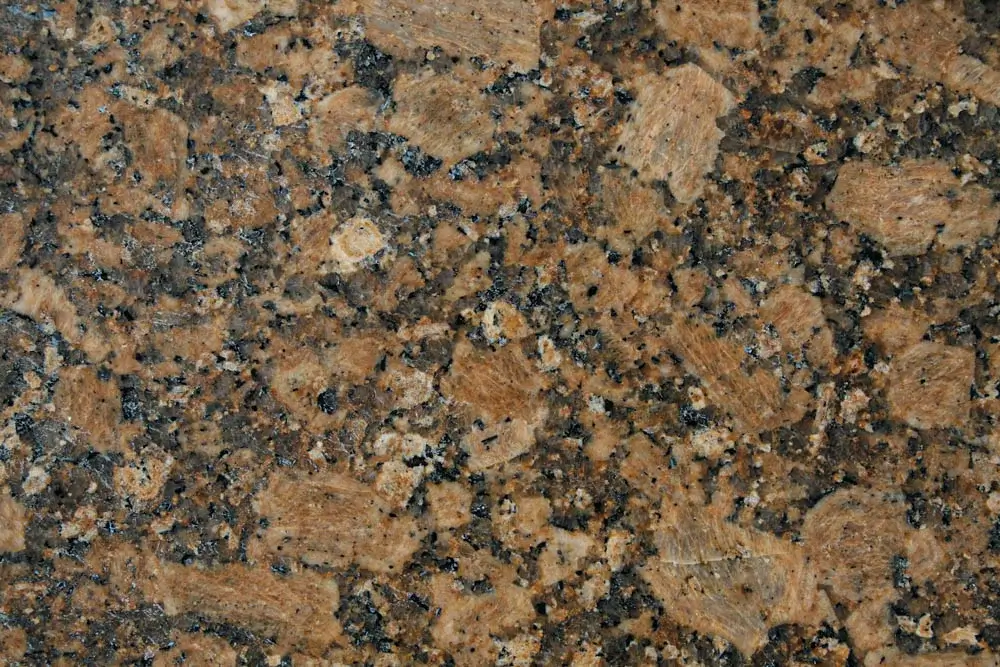
Granite can be divided into two types of patterns: spotted and linear .
1. Spotted granite is formed when granite takes a longer time to cool and dissipate heat during the crystallization process. Its patterns resemble paint applied to the stone, sometimes as small dots, sometimes as larger stone chips, and these patterns are clearly visible
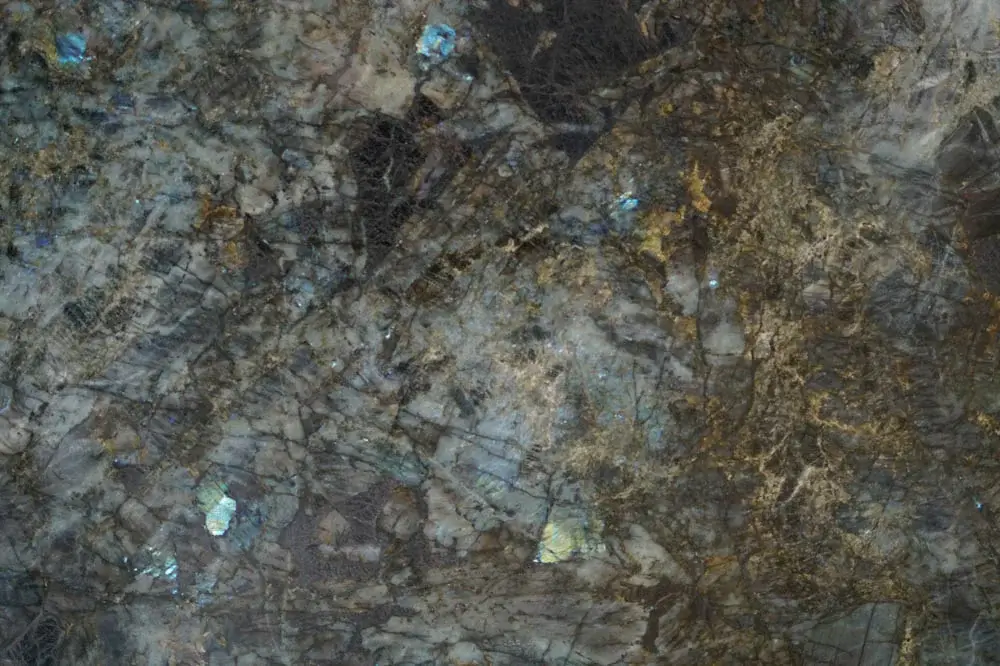
2. Linear Type: This type of granite typically features patterns distributed throughout the stone, resembling the veining of marble but retaining a grainy texture. This gives a more free-flowing feel than spotted granite

Summary of the advantages and disadvantages of granite
strength
- It is strong, scratch-resistant, and weather-resistant
- Acid-resistant, alkali-resistant, heat-resistant
- It can be installed in various locations, both indoors and outdoors
- The patterns are unique
- Low starting price
weakness
- The stone surface is still porous because it is natural stone, so it needs to be coated before installation
The benefits of granite
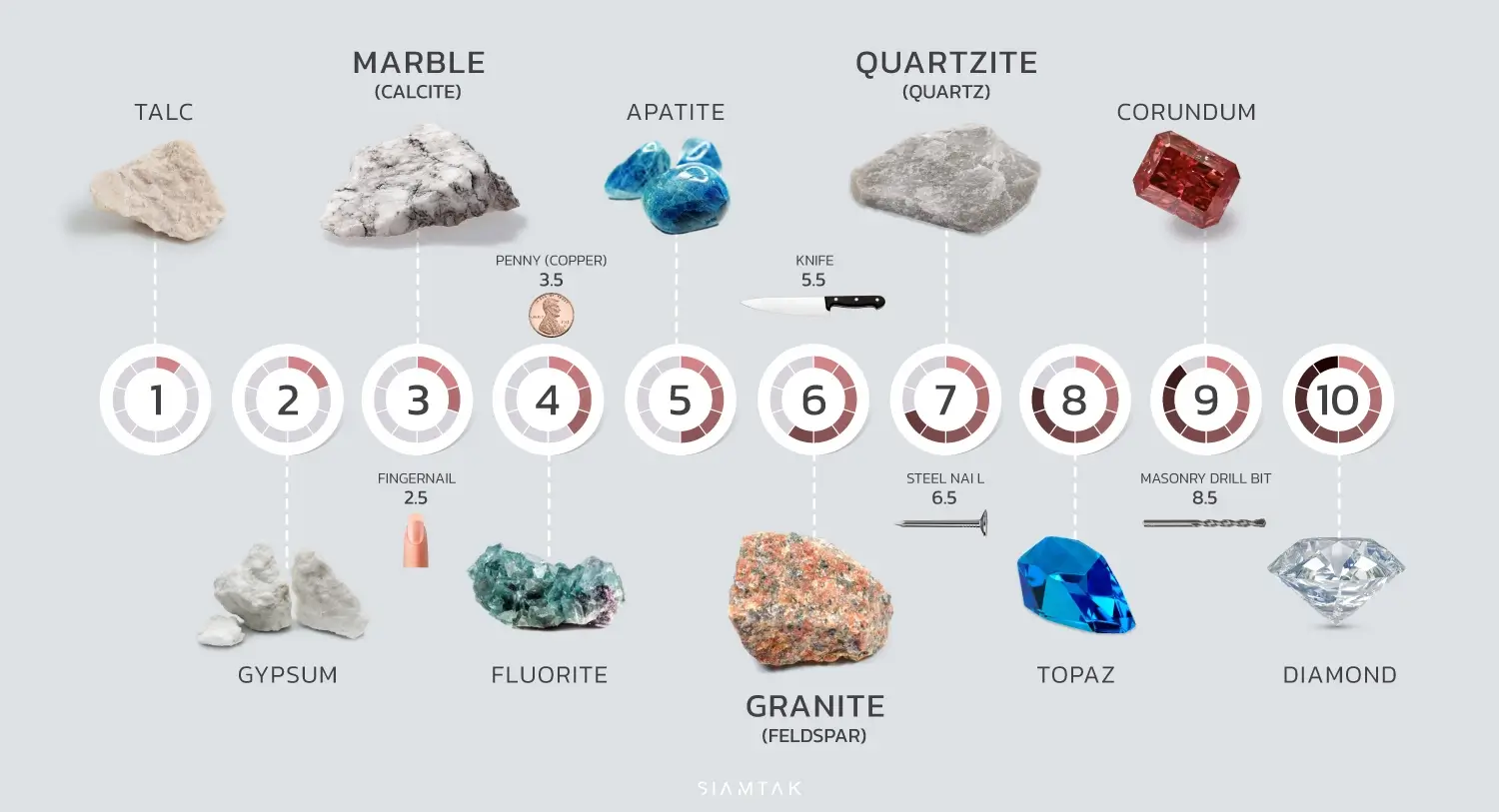
The main advantages of granite are its resistance to scratches and weathering. Due to its high quartz and feldspar content, granite has a hardness level of 6-6.5, making it very strong. This allows it to be used in both construction materials requiring high strength and as a decorative material for homes, offering both unique beauty and durability
Applications of granite
Due to its strength, granite is suitable for use as a construction material for buildings, floors, pillars, and walls. It is very popular in historical sites and even in modern buildings. Granite is also widely used for house signs, company signs, and government signs because of its durability
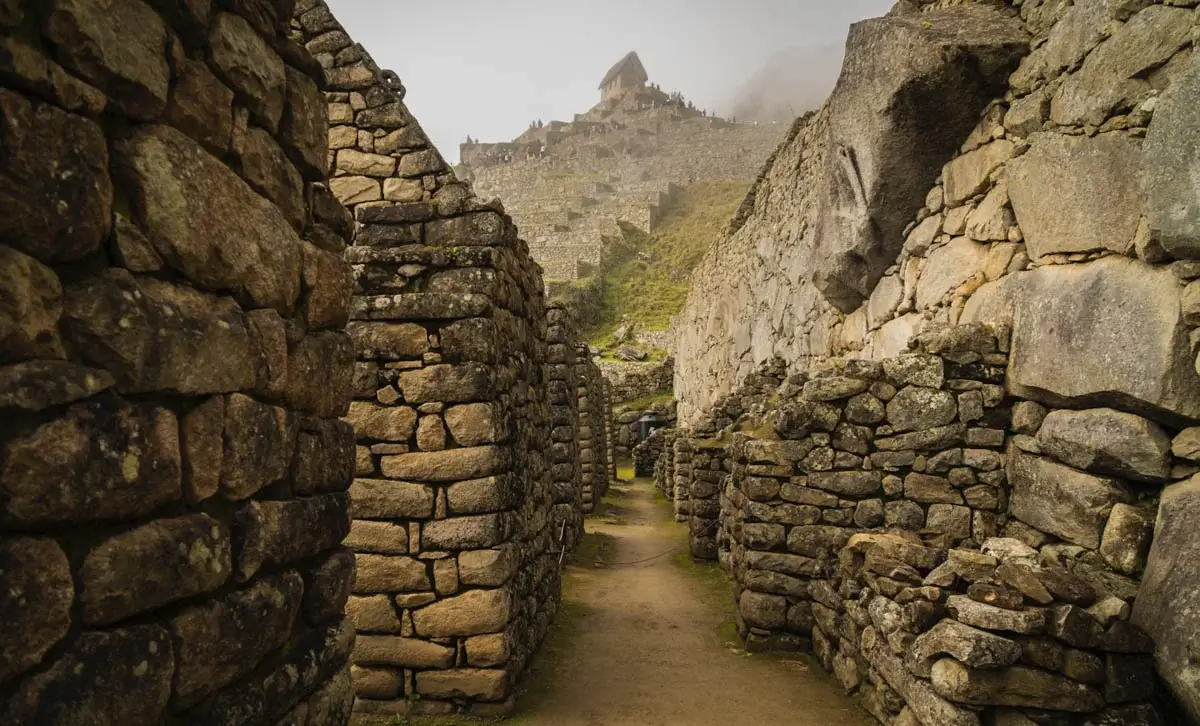
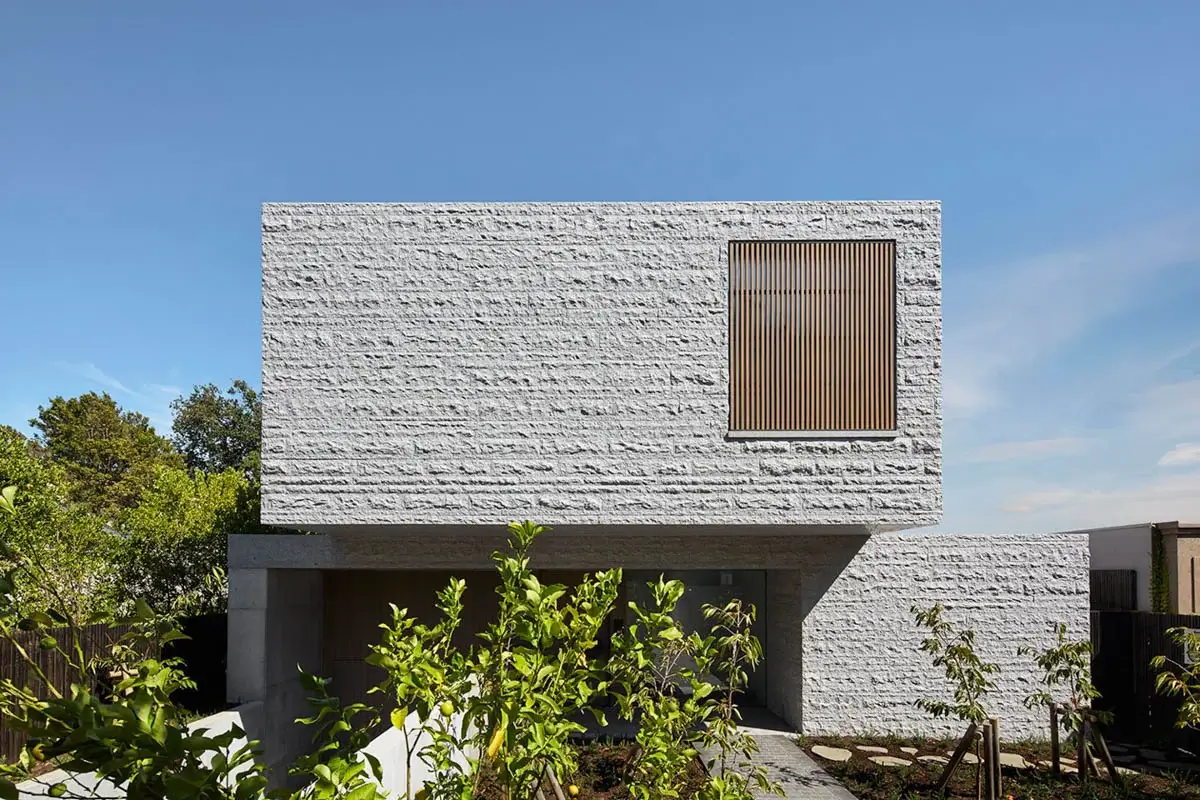
the Armadale Residence by BE Architecture.
Granite can also be used indoors, allowing homeowners to enjoy its various properties. When used for flooring, it can withstand heavy weight and is resistant to scratches and acids. For kitchen use, choosing granite for walls, flooring, or kitchen countertops will not disappoint. This is proven by the numerous architectural projects and buildings that use granite as a primary material, demonstrating its strength and durability, which remain enduring and respected for generations
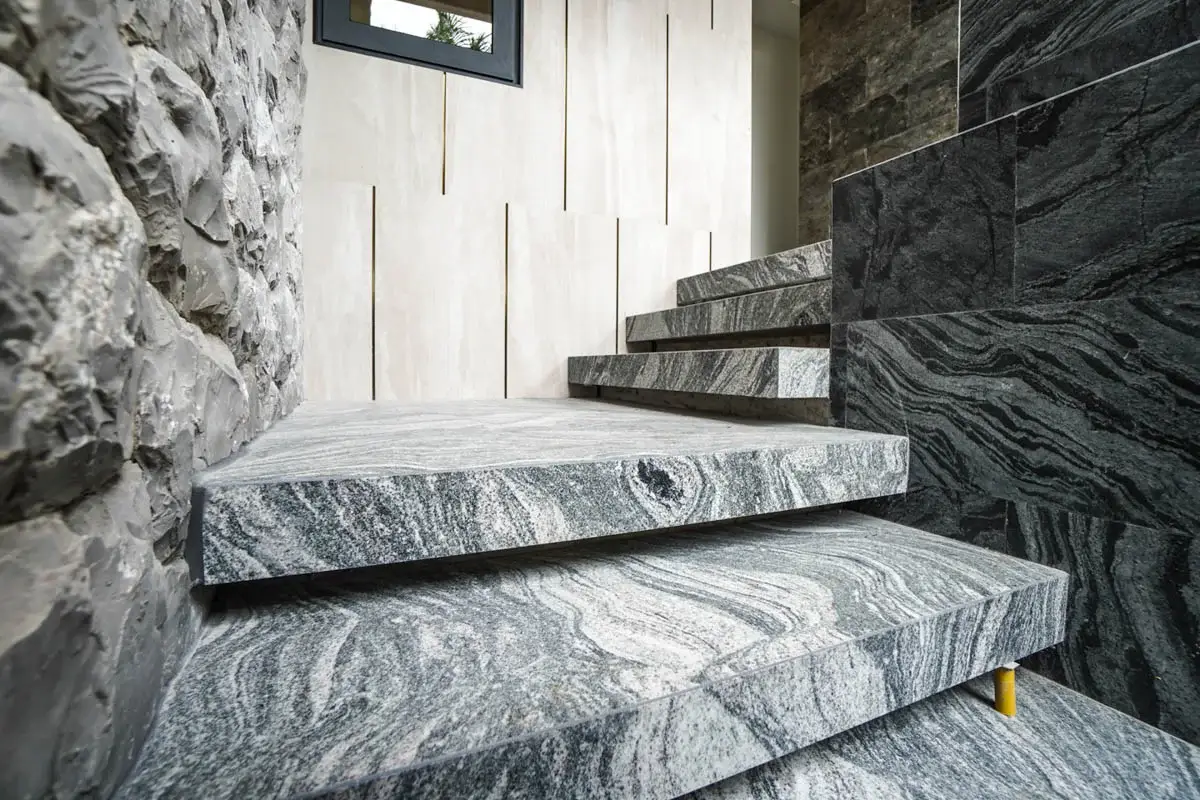
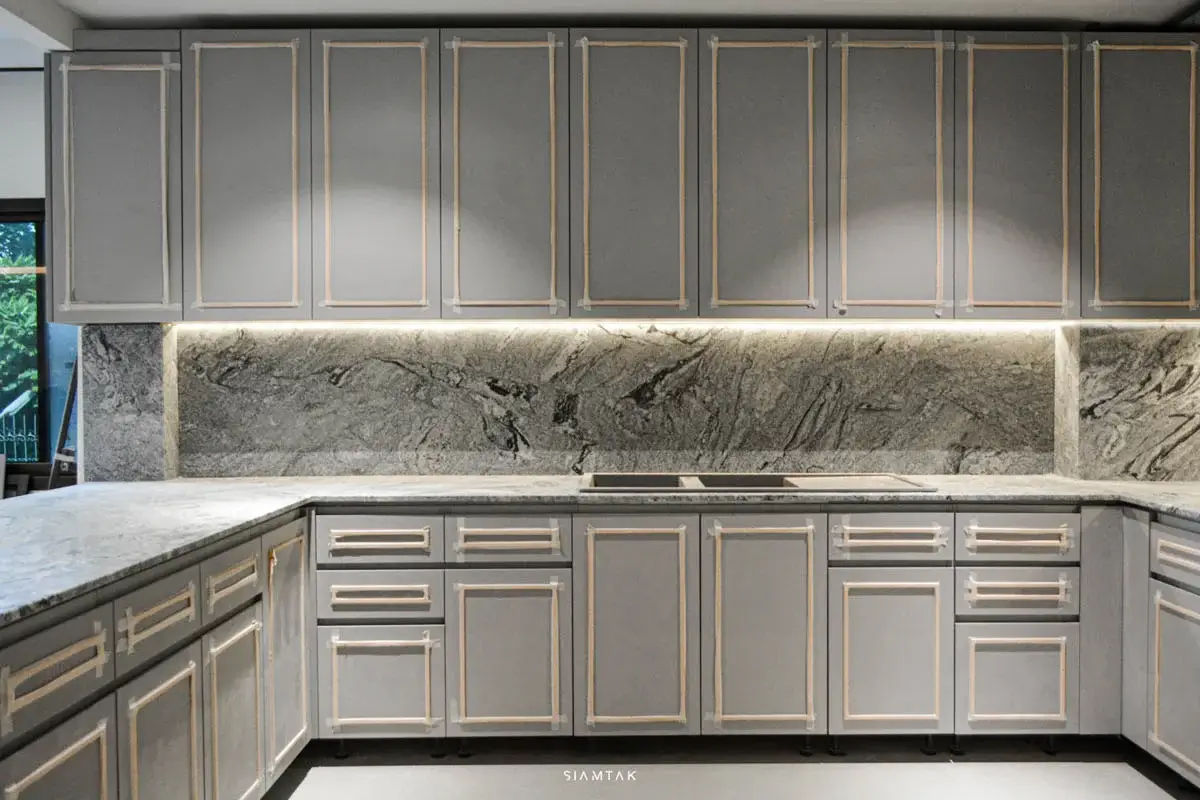


If you're interested in granite can be incorporated into your home, get expert advice and more information from our stone professionals at @LINE Siamtak and Facebook Siamtak
Discover home decorating ideas and how different types of stone can enhance your home through Instagram @SiamtakSiamtak Natural decorative stones offer endless possibilities.