What is marble? Types of marble? Things to know before using it to decorate your home
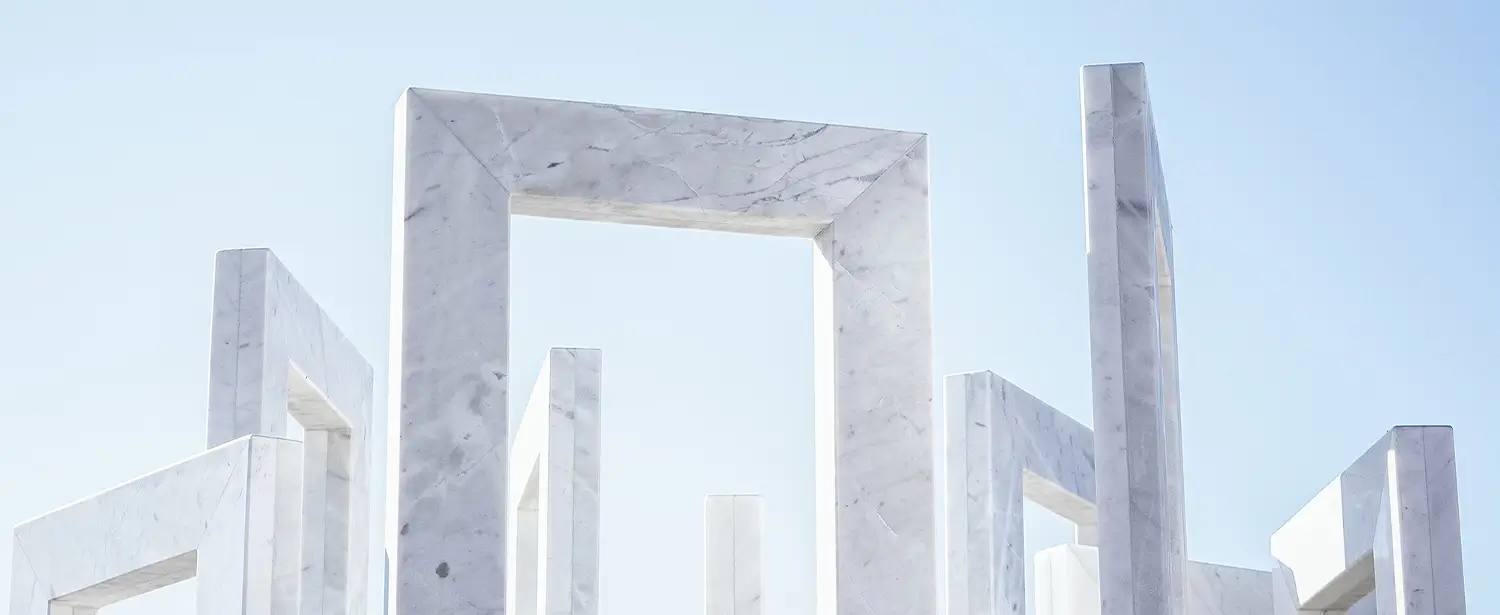
From its historical allure among nobility and renowned artists to its current popularity among home decorators,marblehas become a sought-after choice for enhancing the beauty of various spaces. As a naturally created stone, it possesses a unique beauty and elegance that is hard to match.
Upon closer observation, you'll discover that each type of marble holds a hidden story. Its colors and patterns possess a unique charm. No matter the angle, these patterns remain beautiful and have been popular from the past to the present. It's no wonder that many people spend time admiring the beauty of this natural stone, whether for interior decoration, museums, or exhibitions. But how many know the history of marble, a symbol of beauty and classic elegance that remains undiminished by the passage of time?
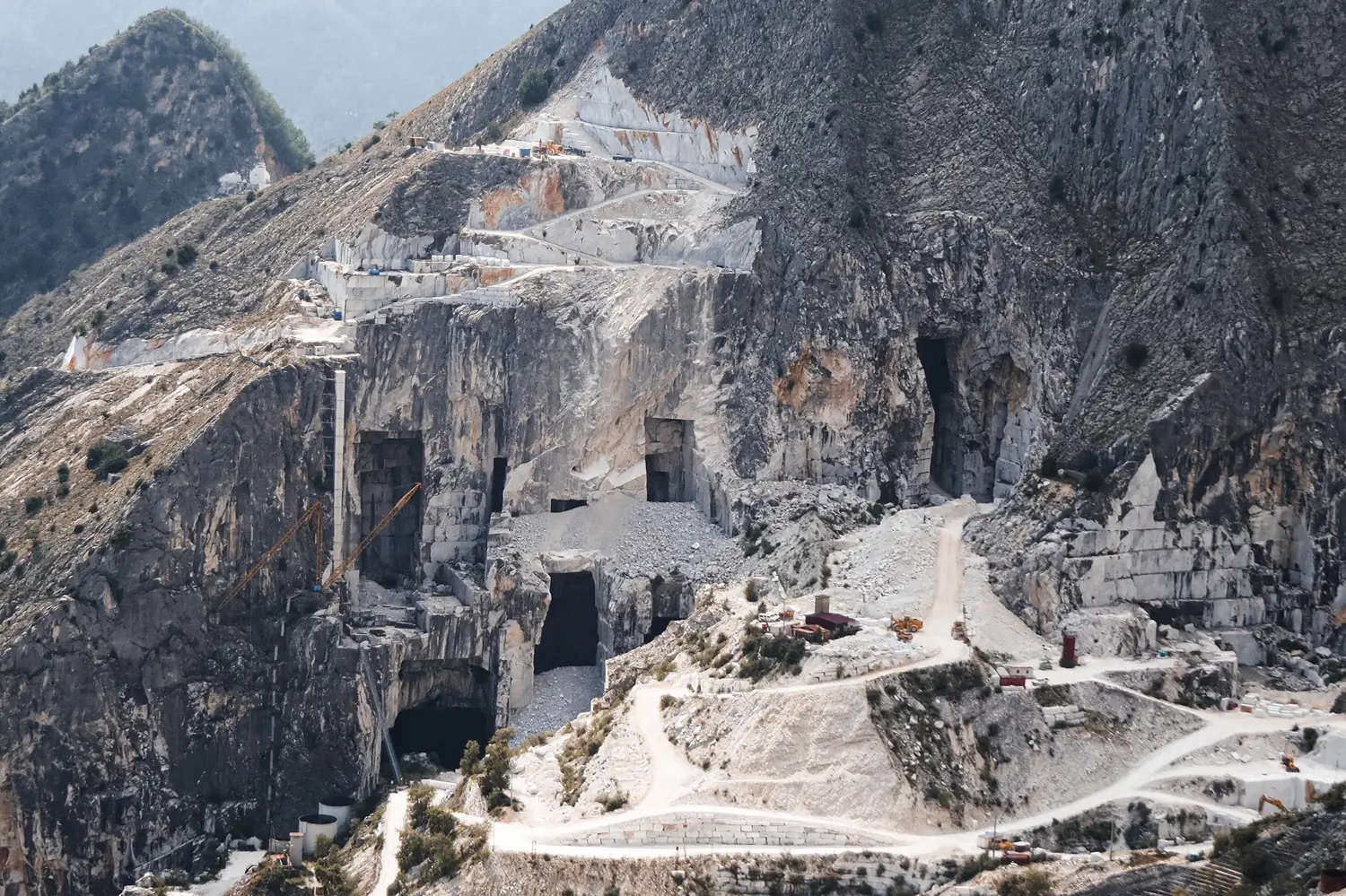
What is the starting point of marble?
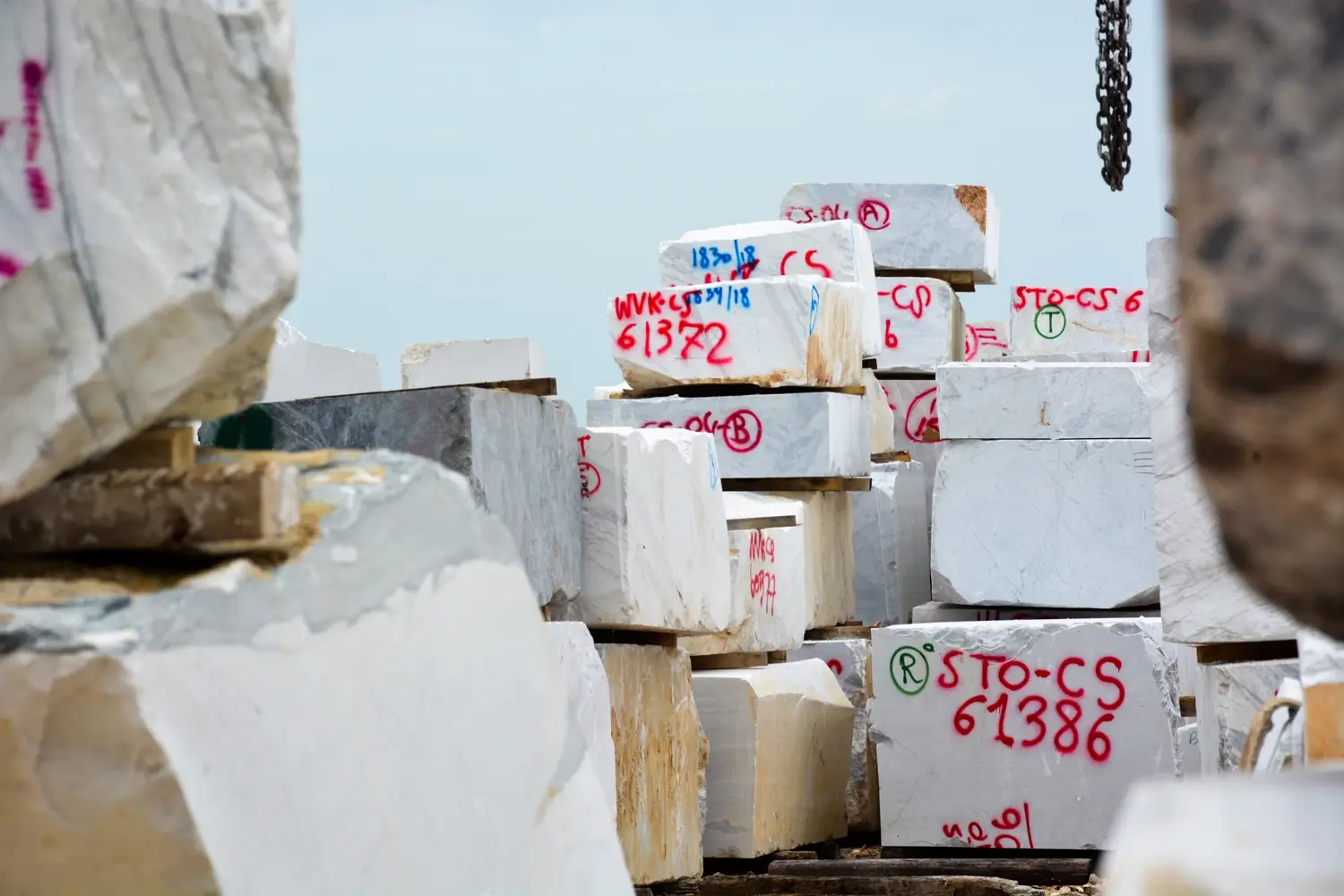
Marble originates from limestone, or calcium carbonate, with calcite mineral crystals as its main component. This is achieved through layered deposition, combined with heat and pressure from underwater volcanic magma and various geological environmental factors. The resulting crystallization within the rock creates unique and beautiful patterns with distinctive colors and veins. Marble is therefore an elegant and popular stone worldwide. Countries renowned for the beauty and craftsmanship of their marble include Italy, Spain, and Greece, each with its own unique names for its marble.
Carrara marble from Italy.
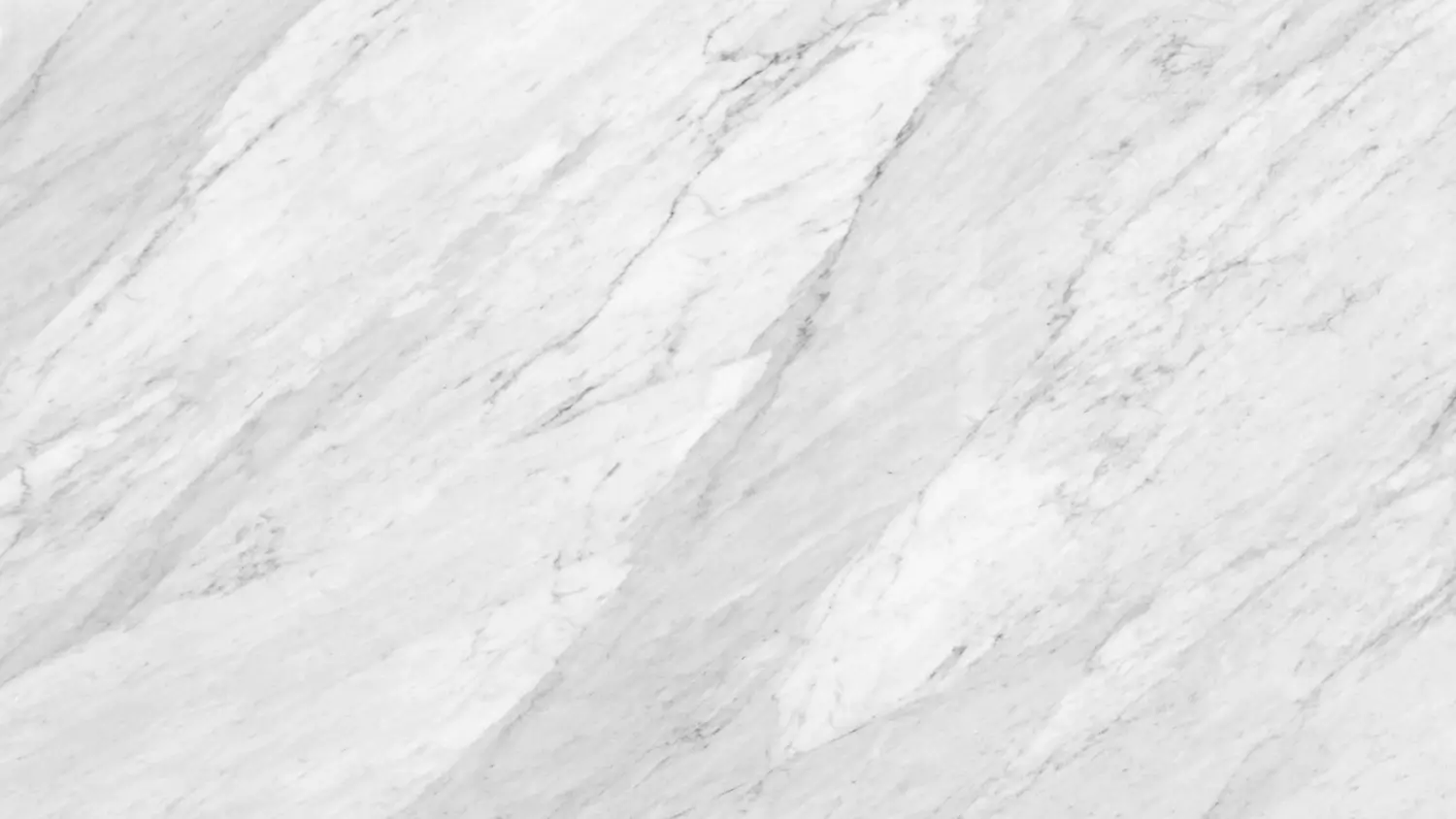
Volakas marble is a natural white marble from Greece with distinct gray veins.
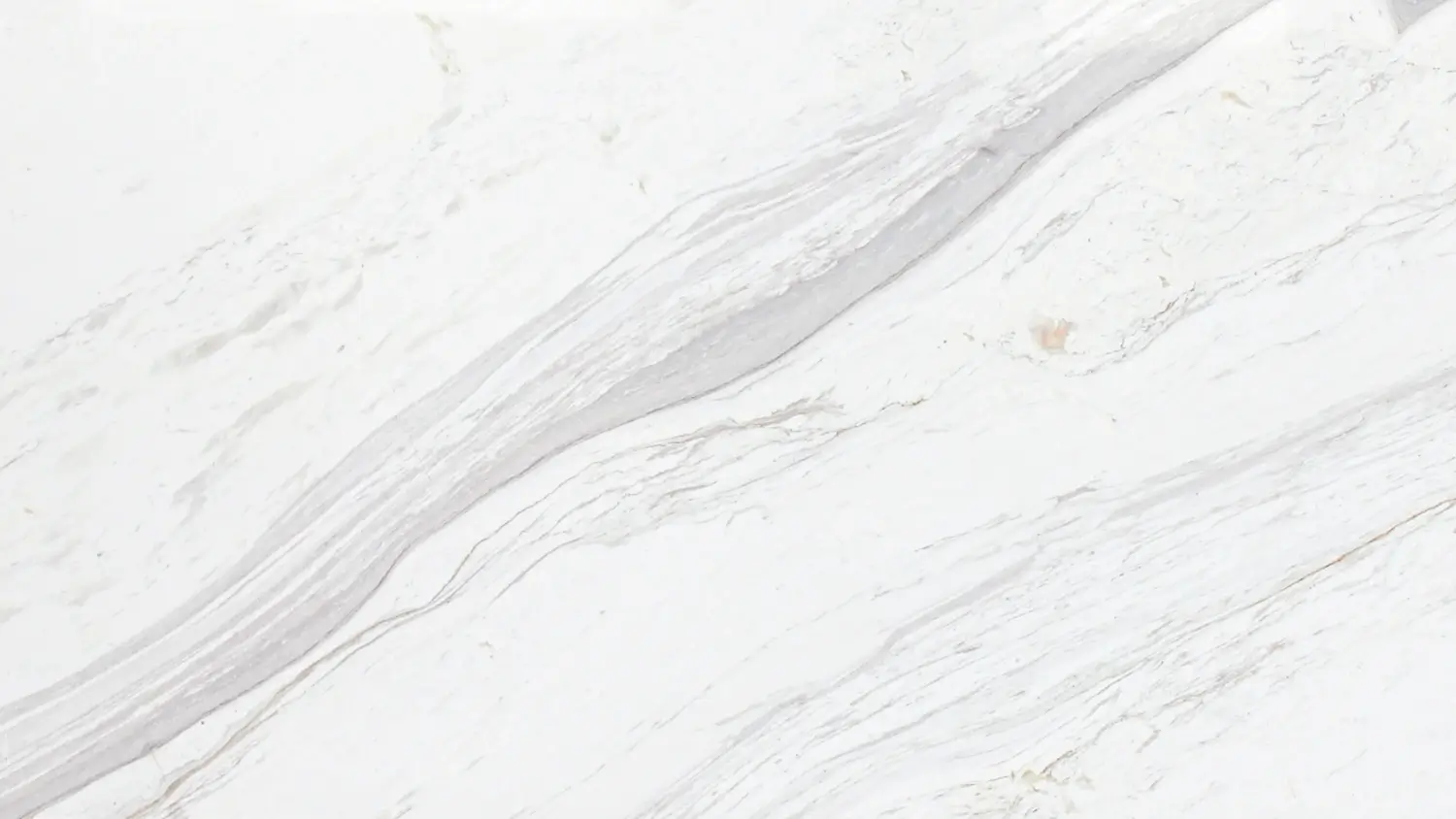
Marfil marble from Spain.
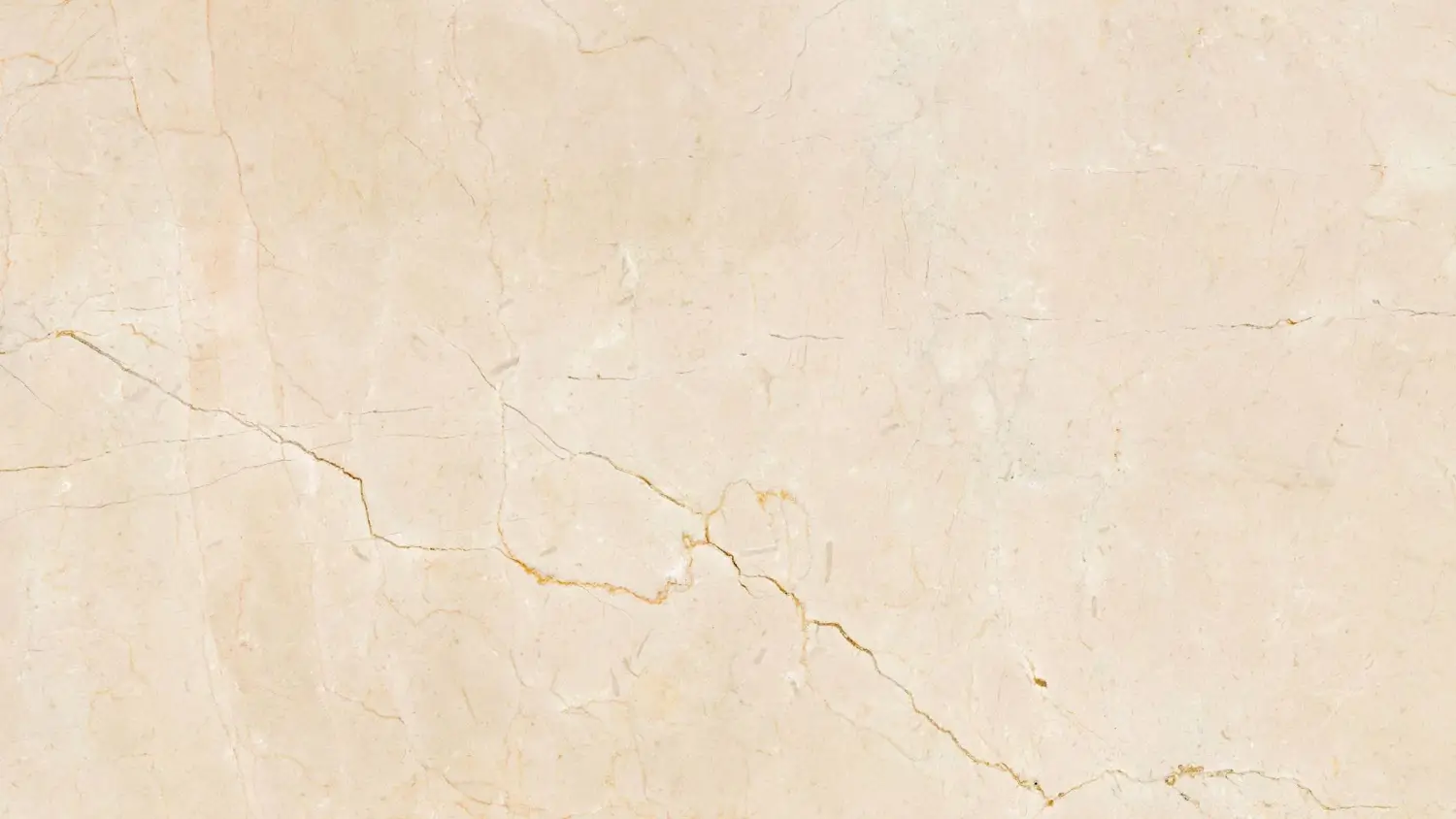
Siamtak Co., Ltd. has entered into an agreement and secured exclusive rights to import marble from the same quarry that Michelangelo, the world-renowned artist who created many important works of art, chose as the material for his sculptures while working for the Medici family. This ensures that our customers receive beautiful, high-quality, and unique marble that is unlike any other
How many types of marble are there?
Marble is broadly divided into two types: natural marble and artificial/synthetic marble
1. Natural marble
Marble is primarily formed from the accumulation of calcium carbonate (limestone) layers, resulting in various colors such as white, gray, brown, pink, green mixed with white, etc. However, other geological factors may also cause crystallization and variations in patterns depending on the region. This is why marble from one country to another has unique patterns; for example, Italy is famous for its white marble, while Brazil has marble with vibrant and beautiful colors. Furthermore, the patterns of natural stone are never exactly the same; they shift and change from slab to slab, making each piece unique and never 100% identical
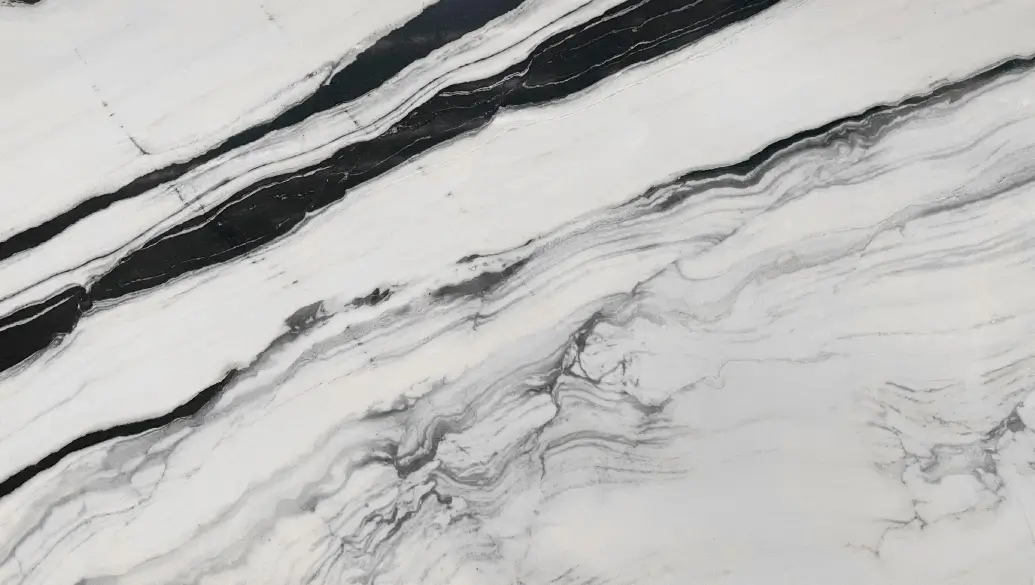
2. Artificial marble/synthetic stone
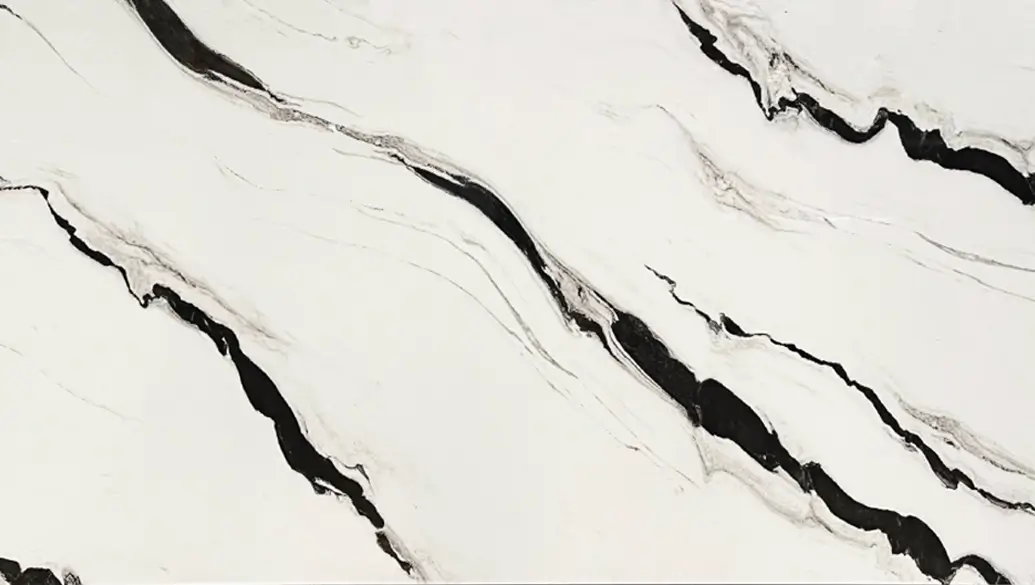
Synthetic stone is a man-made material designed to imitate natural marble. It focuses on beautiful patterns and is more affordable. It consists of 75%-90% marble fragments and 10%-24% resin, polymer, and synthetic dyes to achieve patterns and colors that closely resemble natural marble. However, because it uses natural marble as a primary component, its strength is only comparable to natural marble, with a Mohs hardness of only 3. The patterns are only present on the surface due to the synthetic dyes, and each block will have identical patterns. For more information on synthetic stone, please visit " What is Synthetic Stone?" or view its patterns on the "Synthetic Stone"

The characteristics of marble; aesthetics: "The beauty of marble"
The various colors found in marble—red, blue, green, brown, black, and white—indicate the purity of the stone. White marble is considered the purest of all, as it contains virtually no other minerals
When other minerals are mixed in limestone during crystallization, it creates unique, beautiful, and subtle patterns and colors. Importantly, these minerals also contribute to the color of marble. For example, iron oxide gives marble its pink, red, or brown color, while mica, quartz, and iron oxide in different proportions result in gray, white, or deep red marble
However, purity is not always an indicator of the quality, beauty, or price of marble. What is most appealing is the patterns and colors that adorn the marble, giving it a unique charm and character. Even as time passes, the beauty of marble continues to impress people around the world for centuries
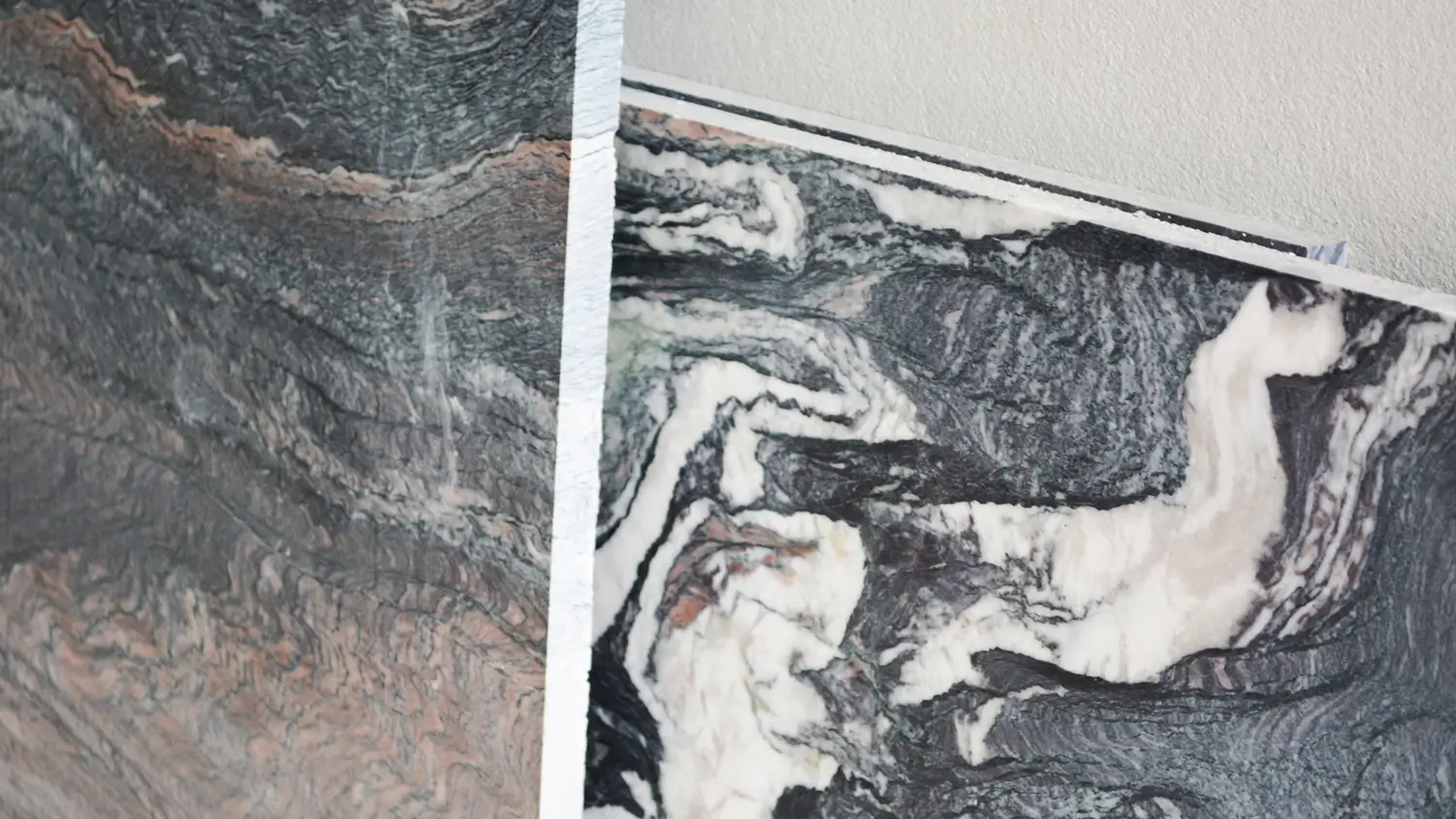
Summary of the advantages and disadvantages of natural marble
Another thing we need to know is the advantages and disadvantages of marble. This allows us to understand its strengths and weaknesses, knowing where it's suitable, and also highlights its limitations and how we can best utilize it
strength
- It is a material that adds value to real estate, enhancing its luxury and uniqueness, giving it a sophisticated European style
- The beautiful natural colors and patterns add a unique character to a home
- It has cold-absorbing properties, making the house cooler
- Easy to install. Can be installed both dry and wet
- It is durable and has a long lifespan (because marble does not decay, erode, swell, or rust. Marble only changes color, but it can last for over 100 years. This can be observed in ancient sites or palaces where marble is used both indoors and outdoors)
- Marble is a non-flammable and non-combustible material
weakness
- Not suitable for outdoor installation as sun and rain may cause the stone's color to fade
- Regular maintenance is required (application of a waterproofing sealant before installation and regular polishing/coating are recommended)
- It is not acid-resistant and may become stained if exposed to acid
- Marble has a relatively high weight per square meter, requiring a special structural support for the stone
Applications of marble
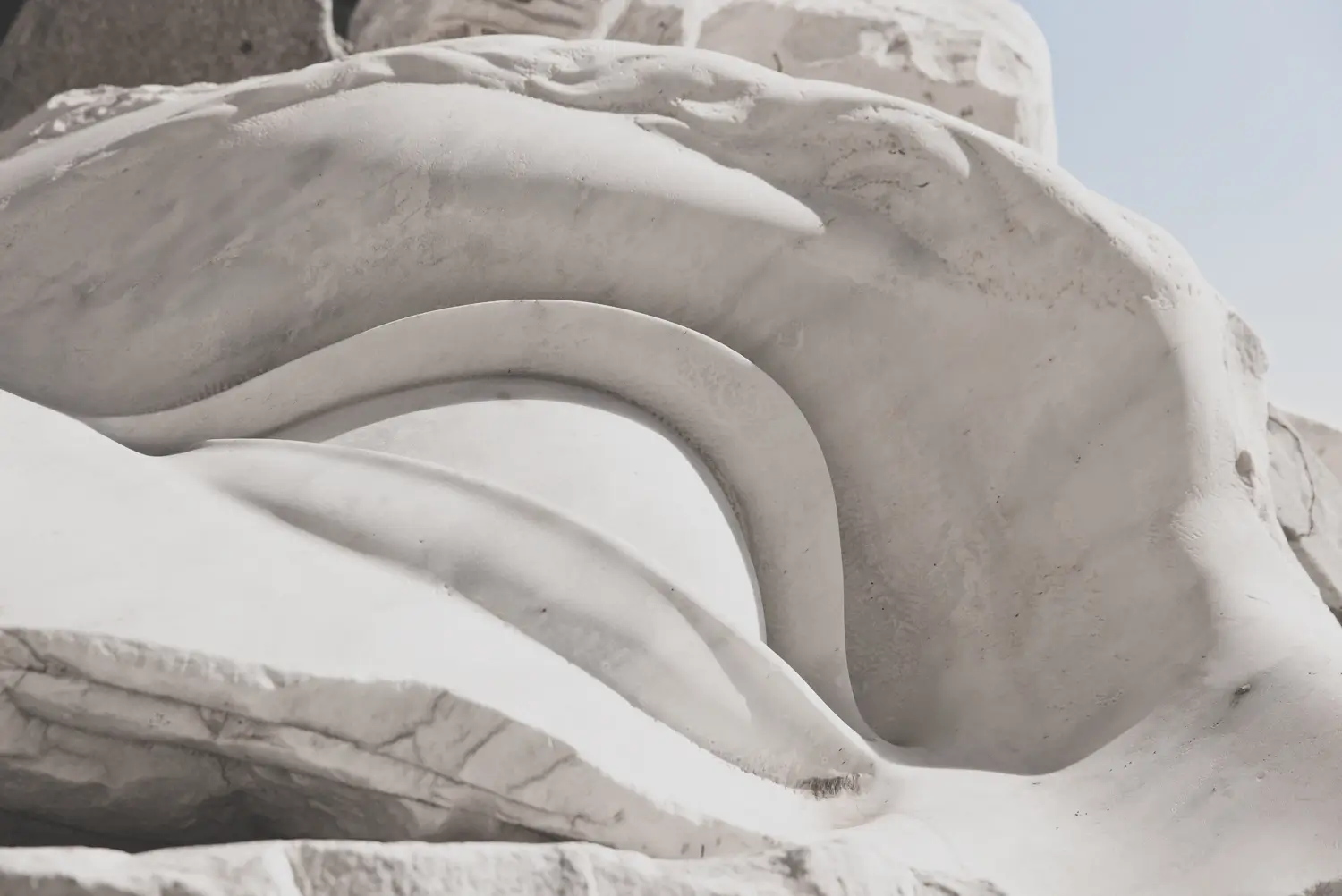
Marble has been used by artists, architects, interior designers, and many others around the world to express their creativity in their art. Sculpture is one art form that is popularly carved from marble, especially white marble like "Carrara marble." The resulting works of art are soft and durable because the structure and composition of white marble, with a relatively low amount of calcite crystals, allows light to pass through the stone only slightly, revealing its unique luster, which seems to bring the artwork to life
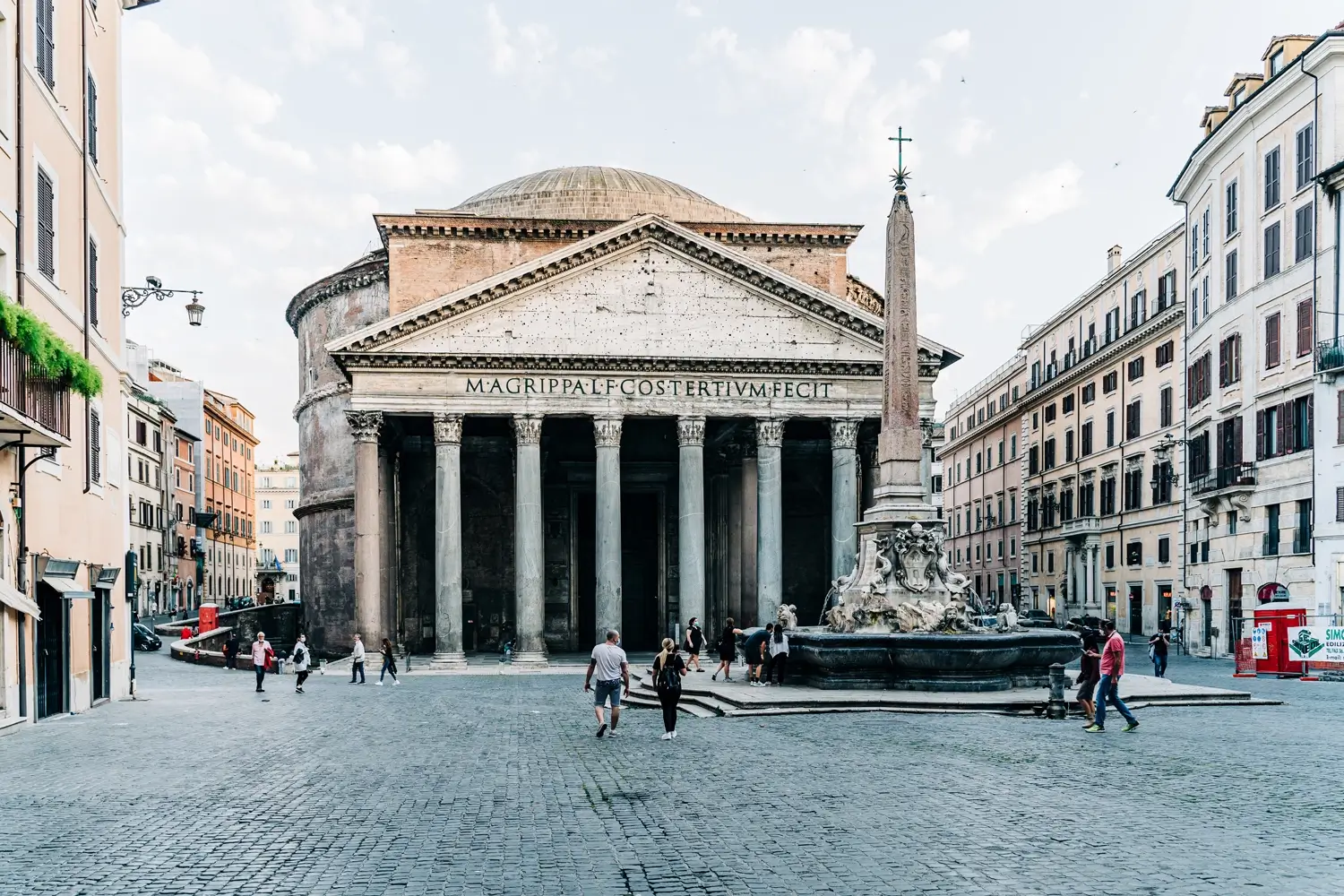
In addition, many historical buildings use marble in their decoration, and some places even use marble for their entire structures, such as the Washington Monument and various buildings in Rome, etc

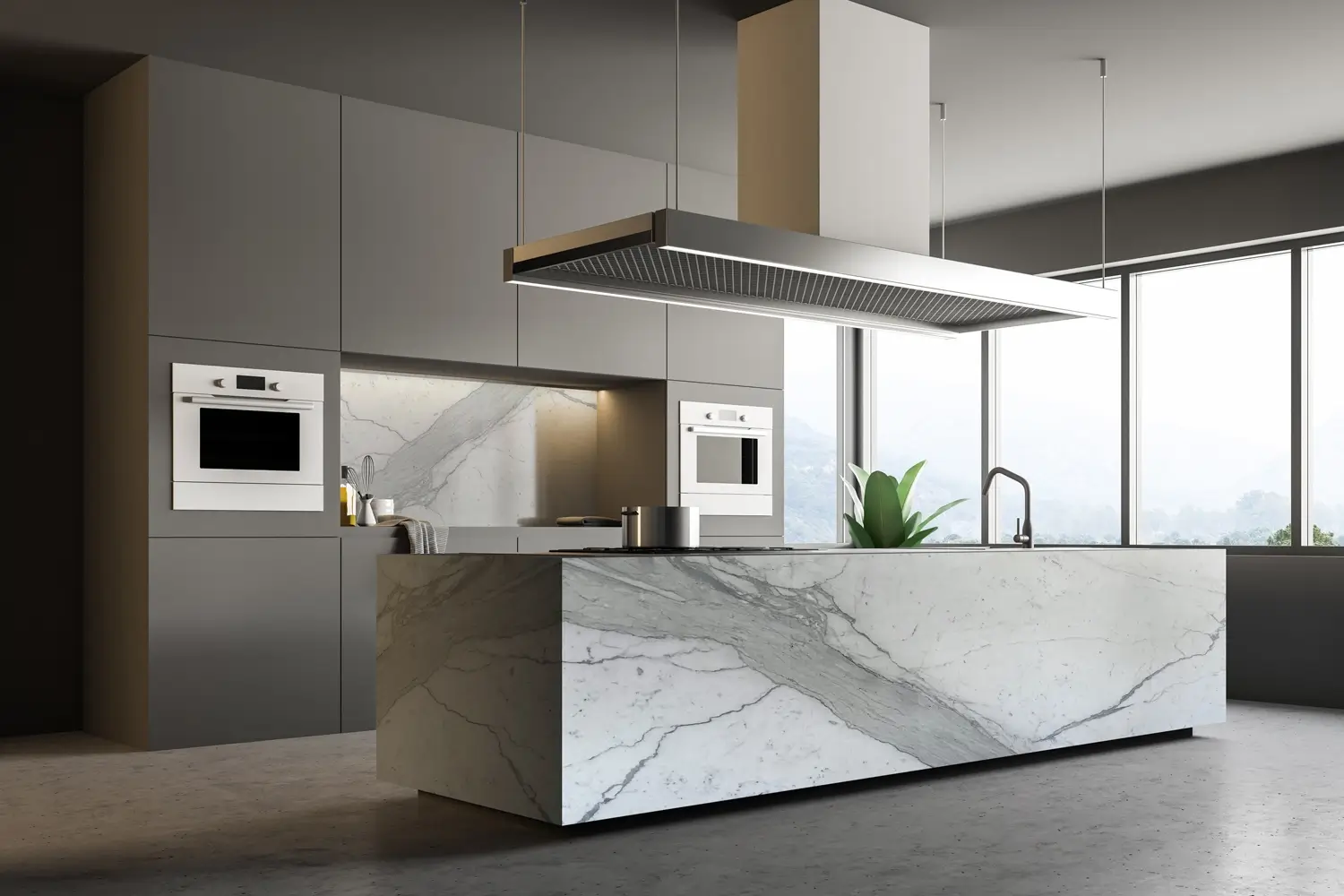
Besides being used in architecture and sculpture, marble can also be incorporated into your home interior, maintaining a classic and elegant look. Whether it's in the form of kitchen countertops—for those who love baking—incorporating marble creates a comfortable and clean feeling, making baking a more enjoyable experience. Furthermore, it can be used in many other decorative areas, such as..
- sink
- Island
- floor
- wall
- stairs
- bathroom
- table top
- Various furniture
Marble can also be used in other areas within the house, creating a unique charm and allure in every space. You'll find your home to be unlike any other
If you're interested in marble can be incorporated into your home, get expert advice and more information from our stone professionals at @LINE Siamtak and Facebook Siamtak
Discover home decorating ideas and how different types of stone can enhance your home through Instagram @SiamtakSiamtak Natural decorative stones offer endless possibilities.