In the world of white marble, two Italian names come up more than any other: Calacatta and Statuario. Both are highly sought-after classics with bright white grounds and striking natural veins. At a glance they may look alike, but a closer look shows that each has a voice of its own.
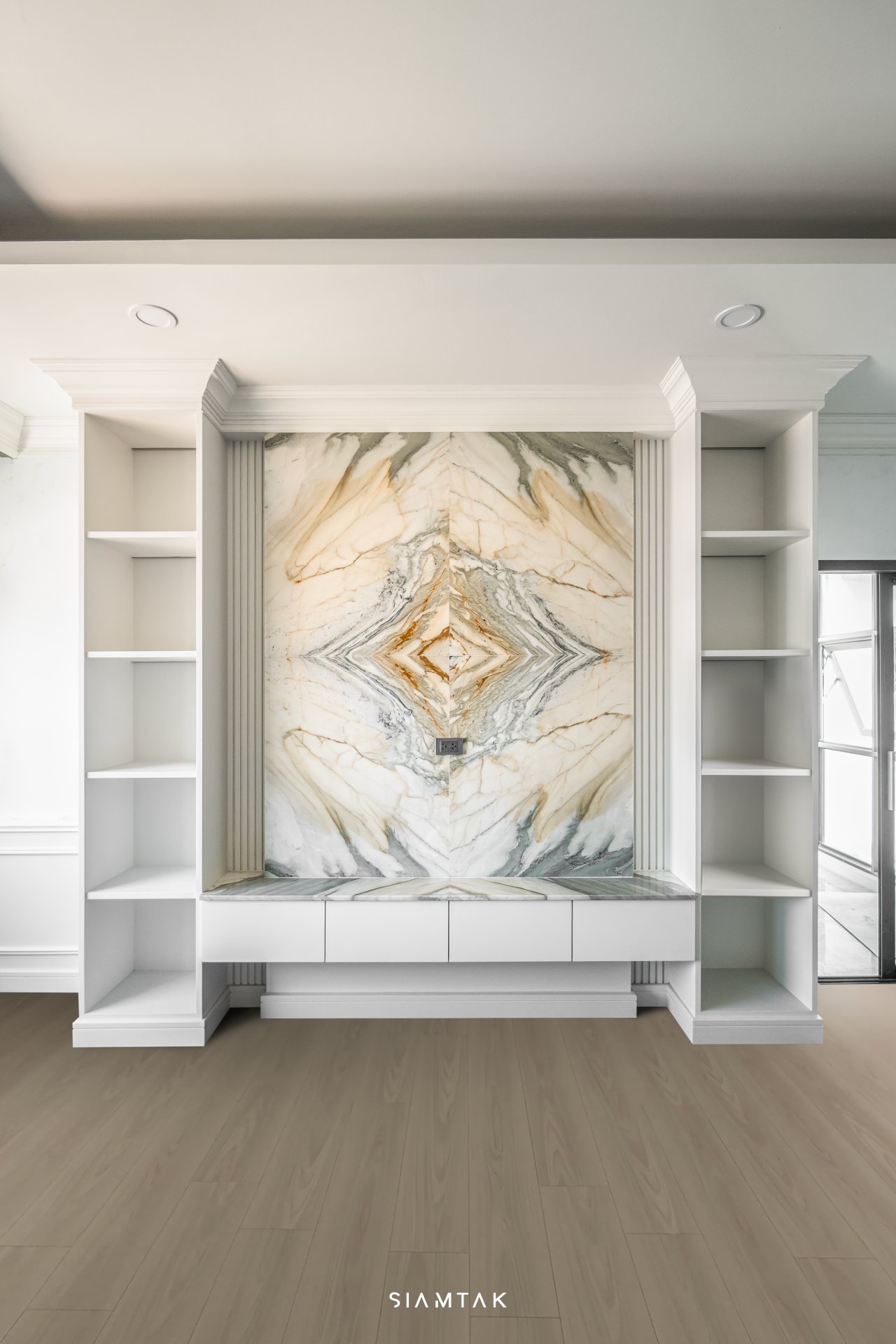
Calacatta has a purer, more luminous white ground with bold, expressive veins. Besides grey, the veins may carry touches of gold, brown, ochre or soft rust from iron-bearing minerals, so the overall effect is warm, luxurious and full of energy.
Statuario takes a cooler path. Its crisp white ground contrasts with grey veins in an almost monochrome palette, and the veins often run diagonally or move freely. Compared with Calacatta, Statuario feels sharper, cleaner and closer to sculpture.
Design
Both are made for projects where white marble is meant to be the leading element of the architecture. Calacatta gives a warm, classic and traditional image, suited to statement islands, bookmatched walls, reception counters and spaces using brass, bronze, wood or warm neutrals.
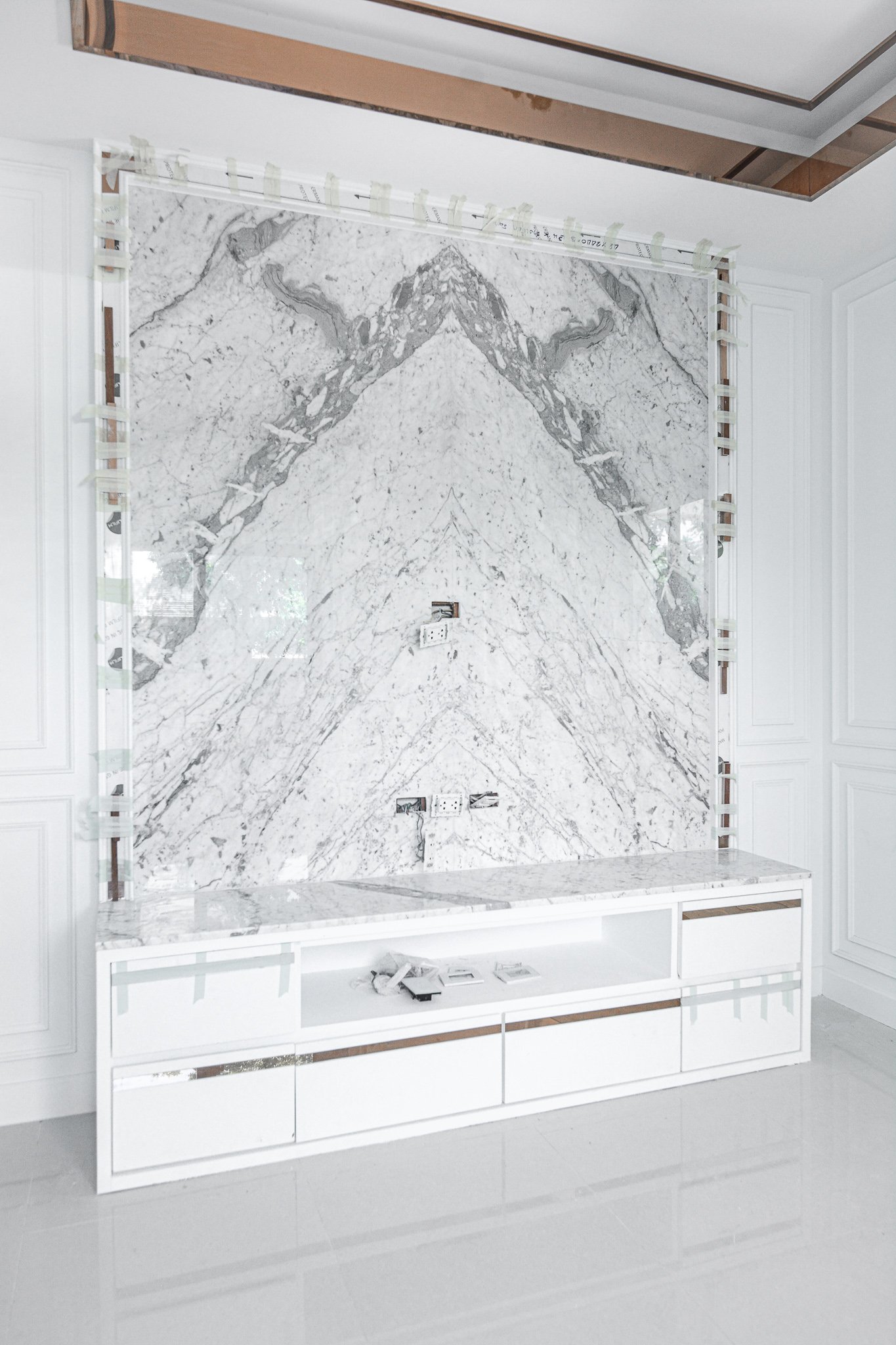
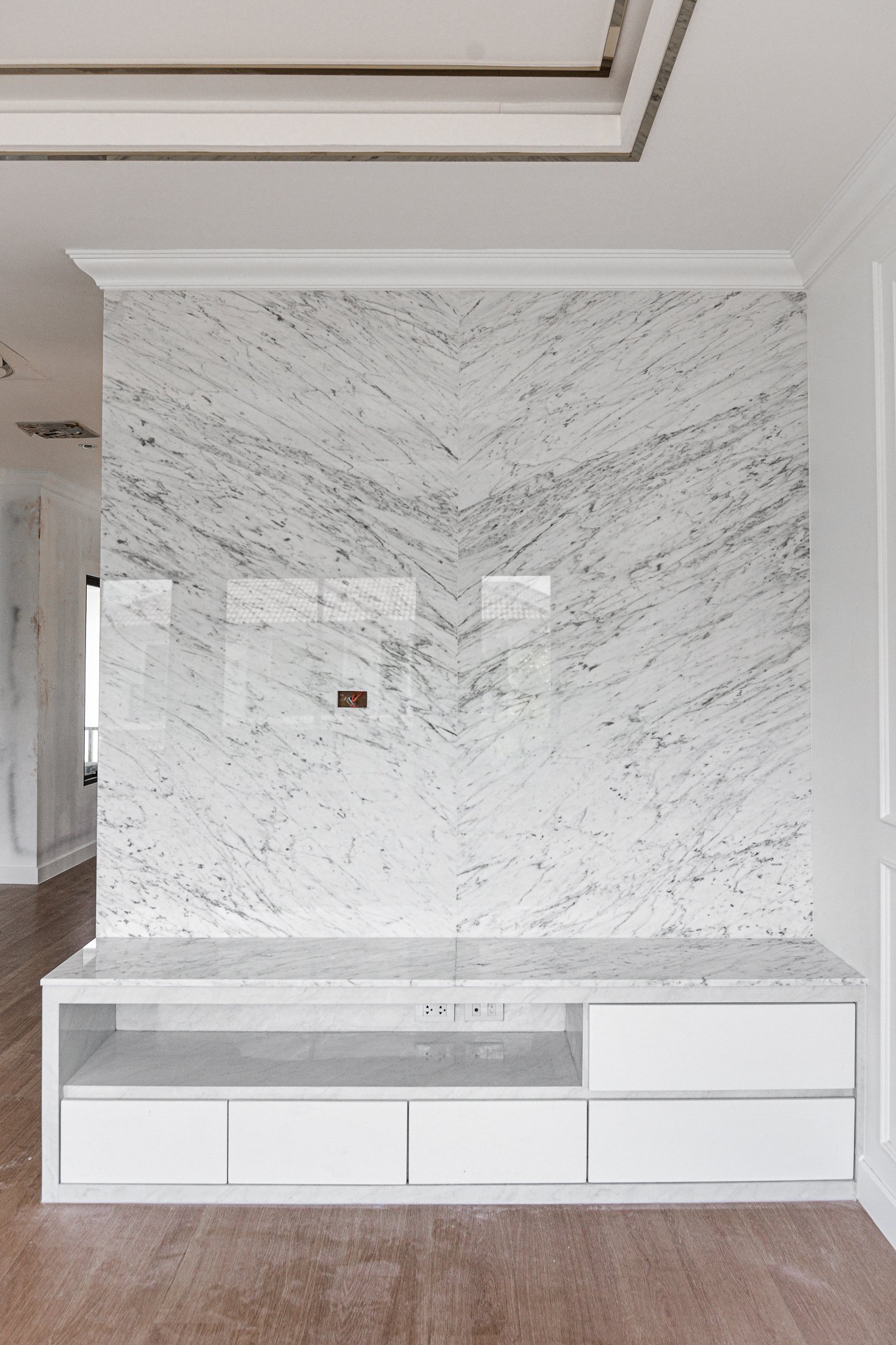
Statuario gives a cool, crisp and contemporary image, suited to bathrooms, feature walls, vanity tops, interior floors, furniture, fireplaces and modern spaces with stainless steel, chrome, black metal, light wood or sharp, minimal detailing. The wide use of Statuario in Saint Laurent stores around the world reflects this timeless appeal: Hedi Slimane chose the material as a key element of the brand's minimalist architectural identity.
Finishes
Polished is the most popular choice because it brings out the white ground, the brightness and the contrast of the veins to the full. Honed and matt finishes suit projects that want a softer surface and less reflection.
Durability and Applications
Although both are among the harder marbles, they are still softer and more porous than granite or quartzite. They should be cleaned with pH-neutral products and properly sealed, and because the white ground is so clean, stains or acid etching may show more clearly than on darker stones.
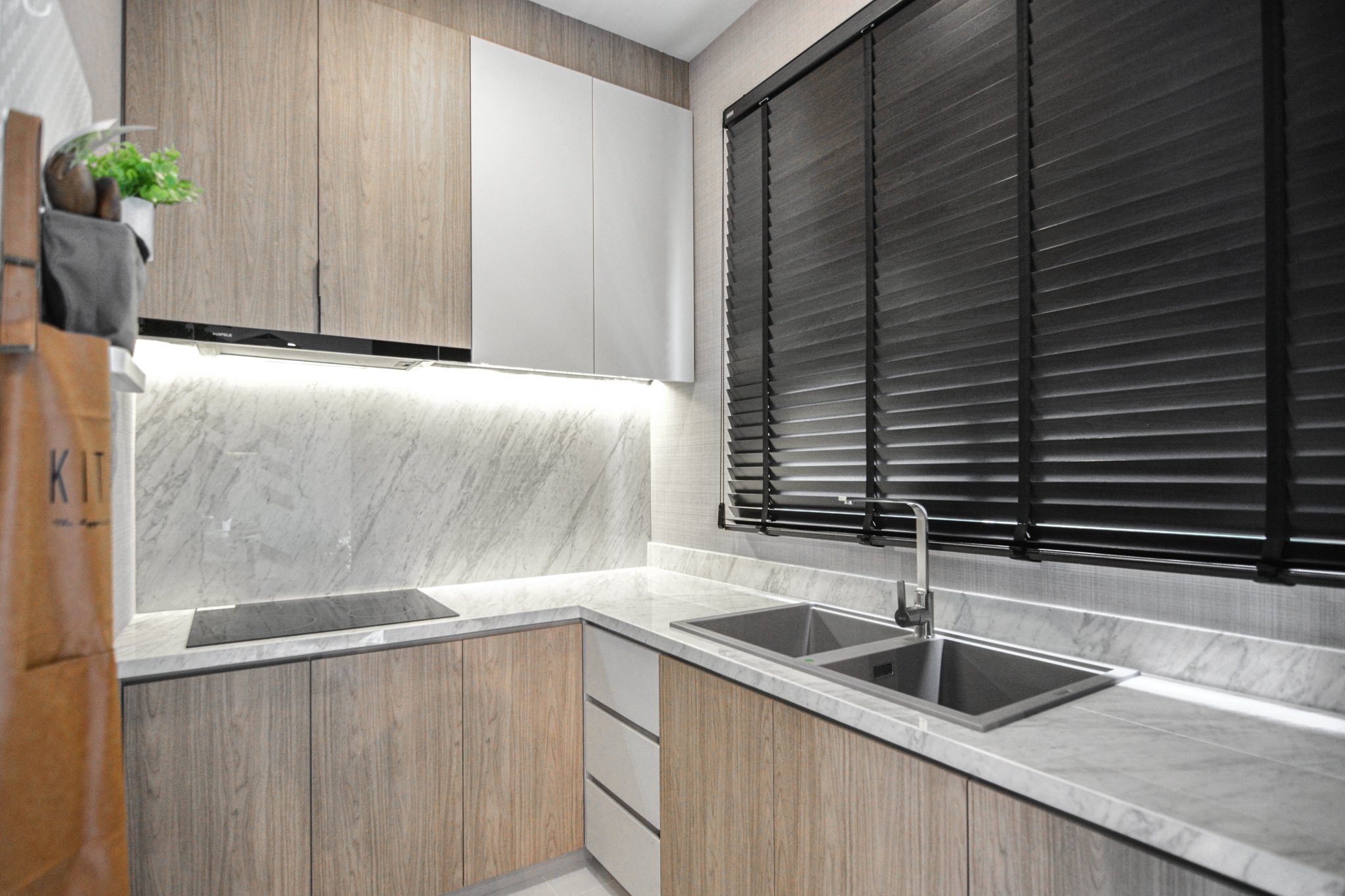
With proper care they can be used for vanity tops, walls, interior floors, furniture, decorative work, fireplaces, feature walls and some kitchen applications. For heavily used surfaces, staining, etching, sealing and maintenance should be weighed up at the material selection stage.