tile
Tiles are a decorative material that can dramatically change the atmosphere of a space. With their wide variety of patterns, colors, and textures, they can be used both indoors and outdoors. Whether it's wall tiles or stone-patterned tiles, all types are durable, easy to maintain, and enhance the beauty of a space over the long term
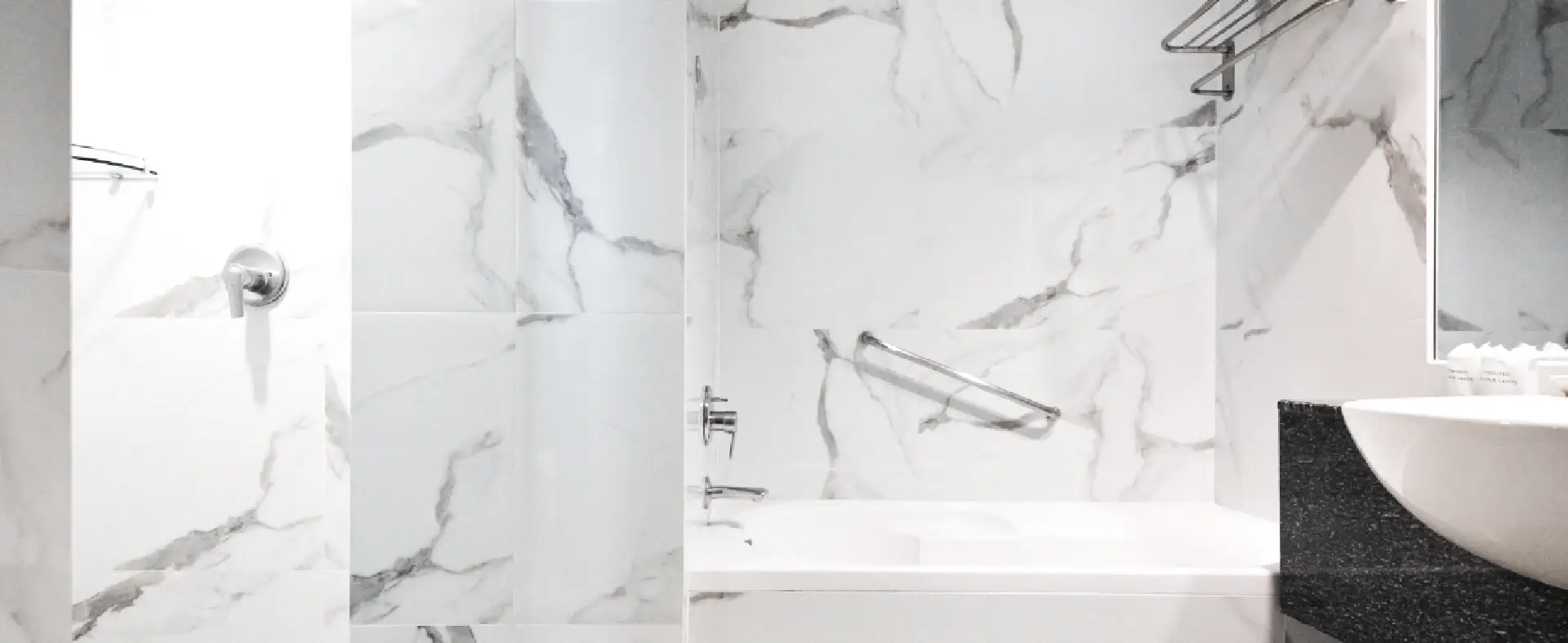
Marble pattern tiles


Wood-patterned tiles


Glossy tiles


Matte tiles


SPC vinyl tiles


Swimming pool tiles


What are tiles?
Tiles are a widely used floor and wall decorative material in homes, office buildings, shops, and even outdoor areas. Their key features include strength, durability, ease of maintenance, and a wide variety of designs ranging from elegant, understated tones to realistic wood or marble patterns
Types of tiles that are popularly used
Choosing tiles isn't just about aesthetics; you also need to consider their properties, durability, and suitability for the area where they will be used. Today, there are many different types of tiles to choose from
- Ceramic tiles are the most familiar and popular type of tile. They are made from clay, stone, and minerals. After mixing, they are fired at high temperatures and then glazed
- Porcelain tiles have a special hardness, low water absorption, and are resistant to pressure and scratches
- Wood-look tiles closely resemble real wood in both pattern and texture, providing a warm and natural feel. They are easy to install and worry-free from termites and moisture
- SPC (Stone Plastic Composite Tile) vinyl flooring is made from high-quality materials, offering durability and strength while remaining flexible. It's easy to install with a click-lock system
- Marble-patterned tiles offer beautiful and luxurious designs resembling real marble, adding a distinctive touch to any space. They are also easier to maintain than real marble
Precautions before installation
Proper tile installation is essential for ensuring that floors or walls remain beautiful, durable, and long-lasting
- Inspect the surface before installation
The surface to be tiled must be smooth and even, without any holes or bumps. If it's not smooth, gaps will form, making the tiles prone to wobbling and breaking
- Leave appropriate grout lines
Leaving gaps between tiles is essential because it allows the tiles to safely expand and contract in response to temperature or humidity changes
- Adjust for gaps along the wall and floor edges
A small gap should be left between the tiles and the baseboard to allow for material expansion due to temperature changes. This will help prevent the tiles from pushing against each other and causing cracks or loosening
- Avoid installation in unsuitable weather conditions
Installation in damp or rainy conditions may affect the adhesive's bond, leading to peeling in the long run. Installation should be done in dry weather and at a suitable temperature
Paying attention to installation not only ensures tiles look beautiful and neat, but also extends their lifespan and reduces repair costs. For those looking for quality tiles and professional installation services, Siamtak is ready to provide advice from material selection to the installation process