What are the differences between marble and granite? Is quartzite really the best?
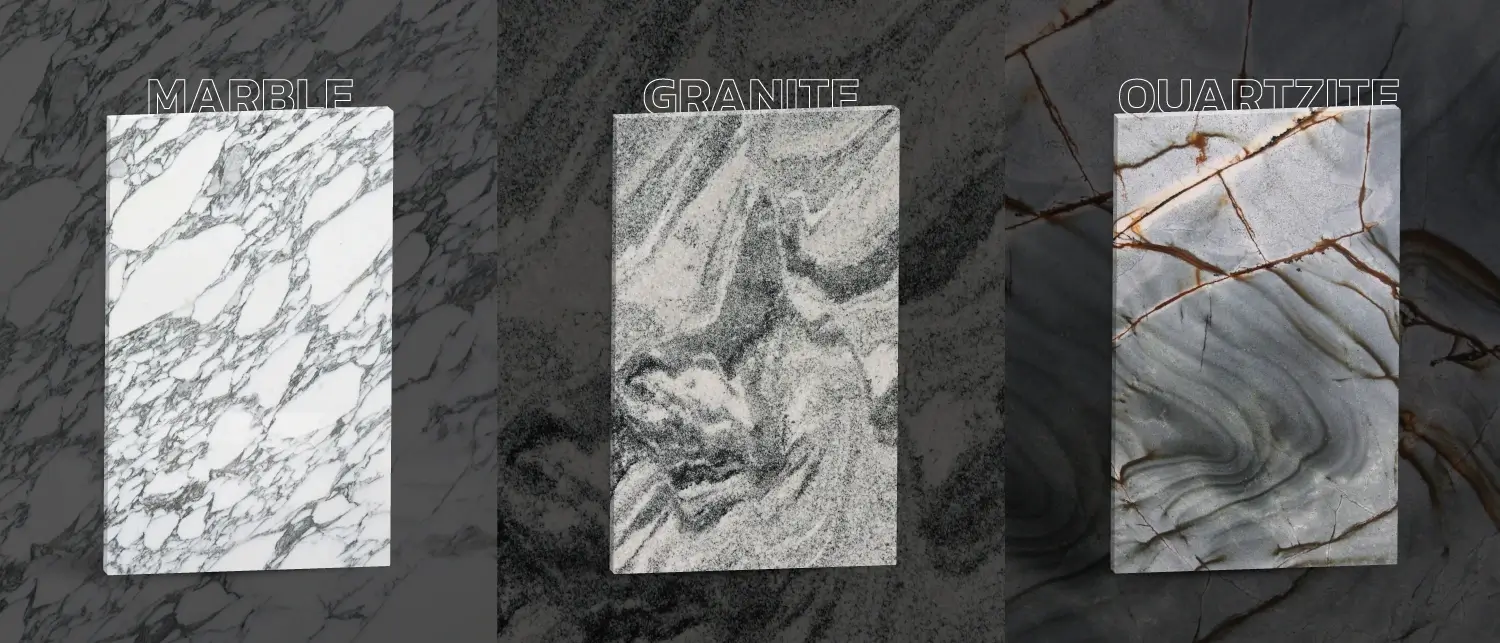
Natural stone is one of the relatively expensive materials used in home decoration, whether it's marble, granite, or quartzite. Therefore, before using stone in decoration, it's essential to know information about each type of stone, including its patterns, strength, suitability for different areas, advantages, and maintenance. This ensures that the stone can be used correctly, appropriately, and to achieve the most beautiful and worthwhile results
The origin and main minerals of marble, granite, and quartzite
Marble is a type of metamorphic rock, transformed from limestone and dolomite. It is formed by pressure and heat from beneath the Earth's crust, which transforms the rocks into marble. It is a crystalline rock with a relatively coarse grain, primarily composed of calcite. Pure marble is white, but if other minerals are present, it will have a variety of colors.
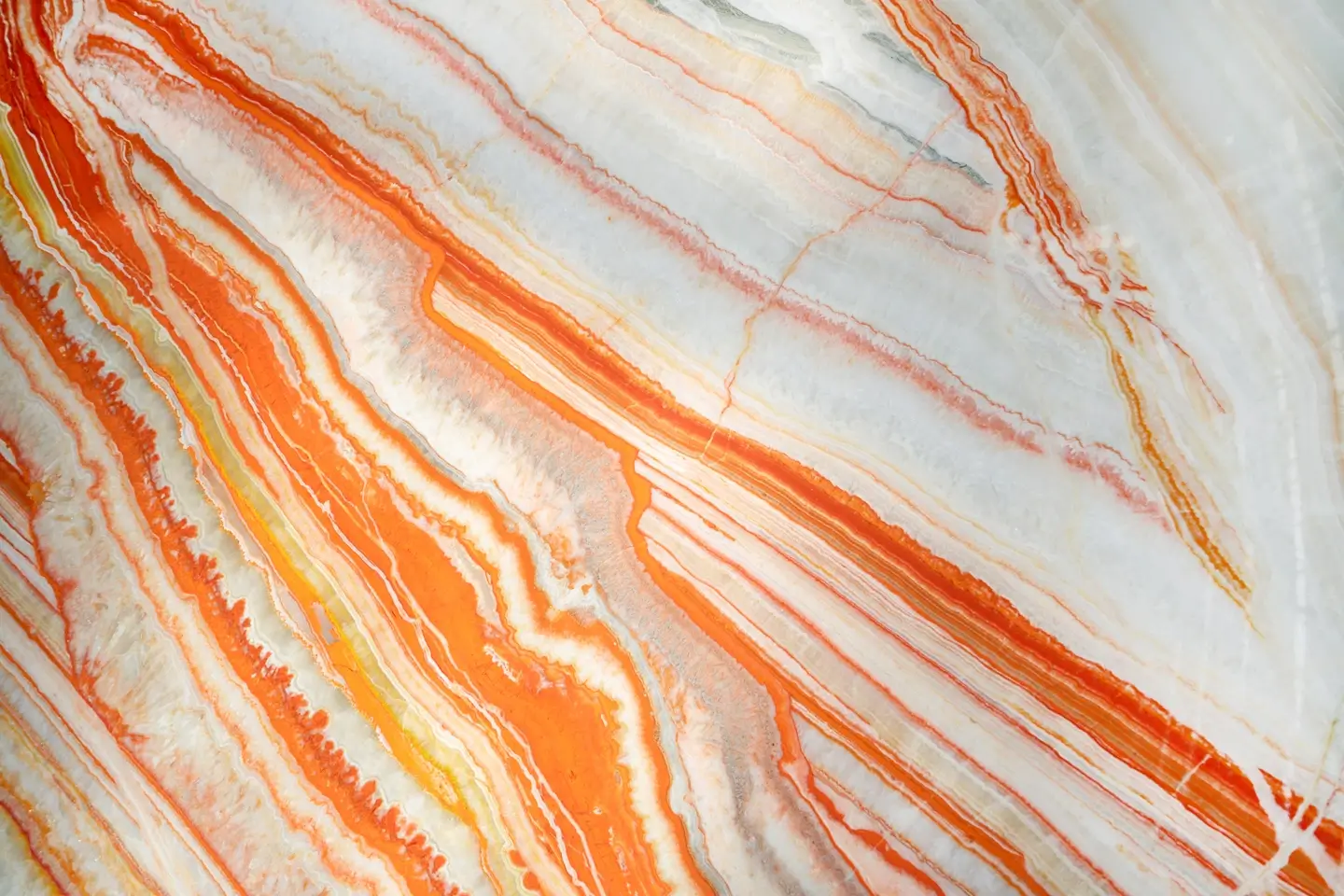
Granite is one of the igneous rocks, specifically an intrusive igneous rock. It is formed from molten rock that cools slowly within the Earth's crust, resulting in large mineral crystals and a coarse texture. It is composed of various minerals.
Feldspar and quartz are the primary minerals used, resulting in relatively high strength. The color is opaque white from feldspar, transparent gray from quartz, and black from hornblende
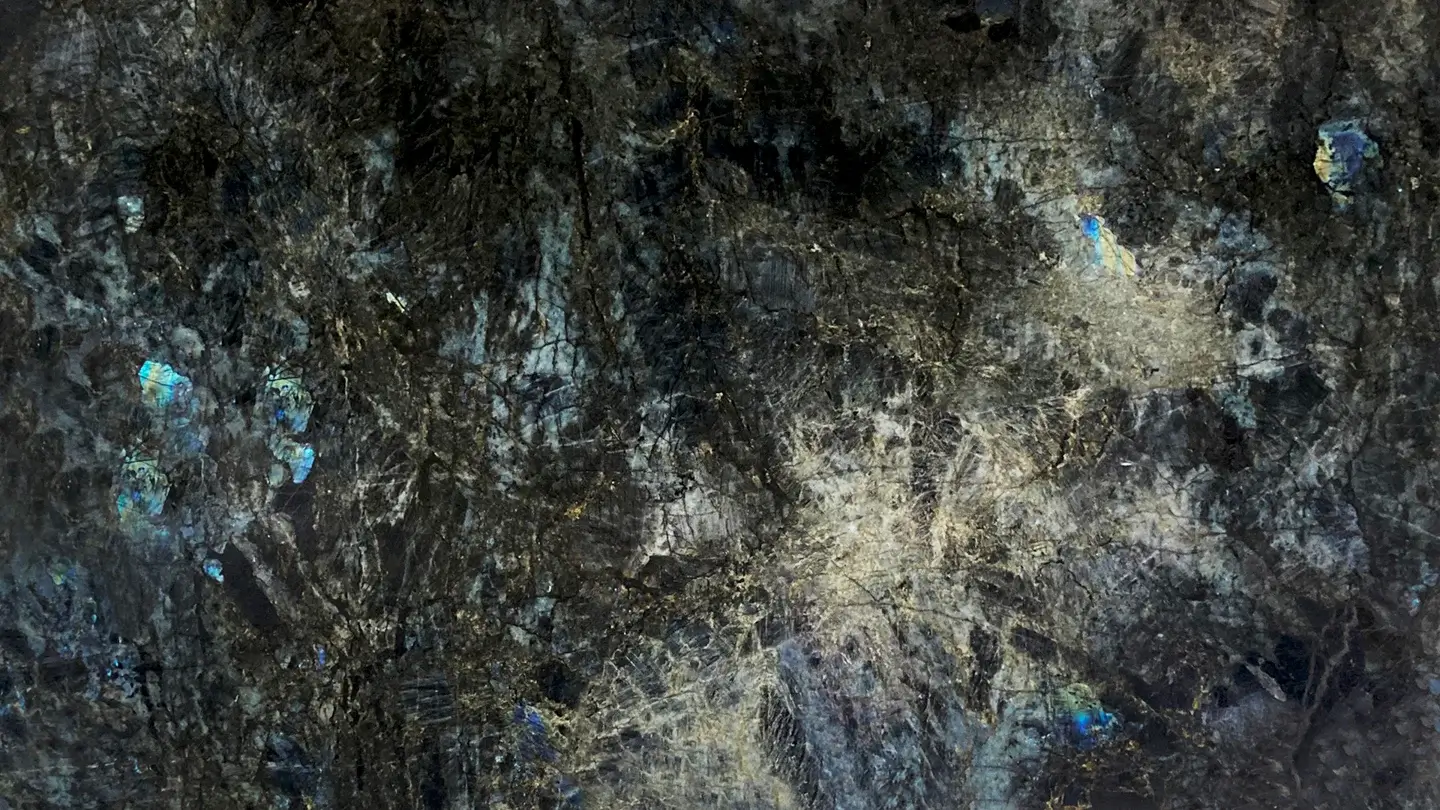
Quartzite is another type of metamorphic rock, primarily transformed from sandstone. It's formed by pressure and heat from beneath the Earth's crust, transforming the sandstone into quartzite, one of the most durable rocks. Composed mainly of quartz, it possesses high strength. If formed from pure silica sand, quartzite ranges in color from white to gray, but other minerals are often present as impurities, resulting in varying colors depending on the type of minerals in the rock.
pattern
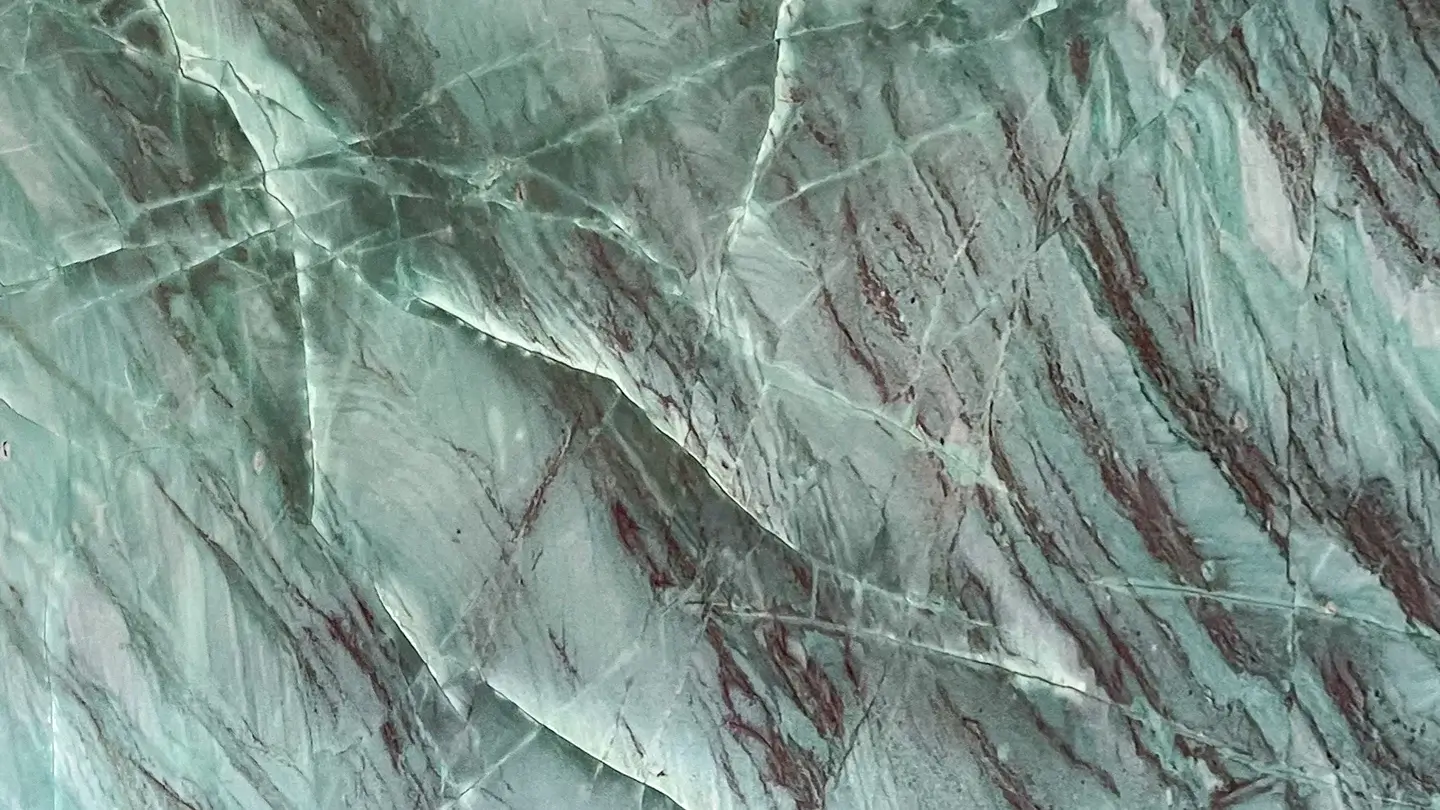
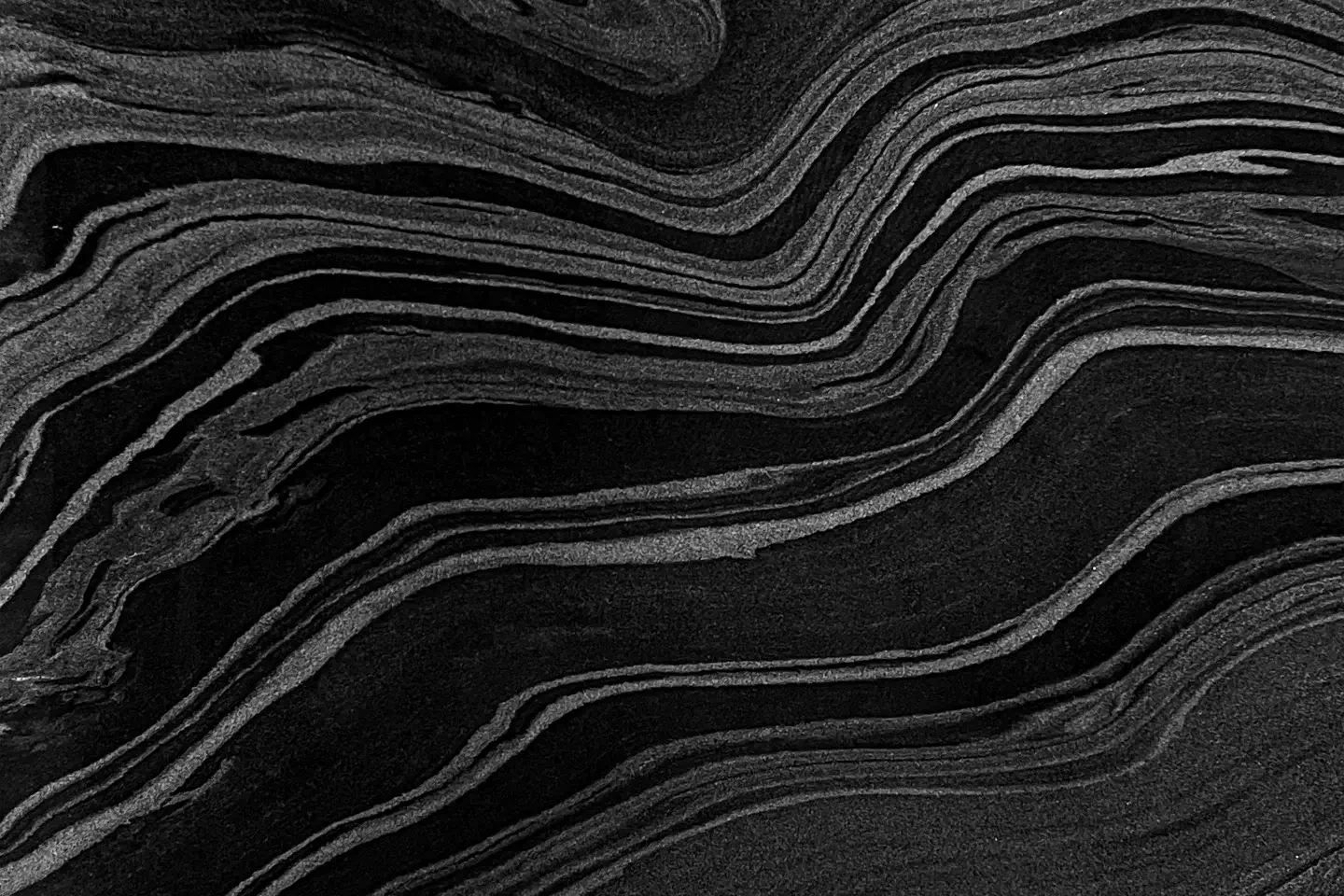
Marble and quartzite exhibit non-parallel vein patterns because they are metamorphic rocks that have undergone contact metamorphism. This occurs when magma intrudes and comes into contact with nearby rocks. The heat and substances from the magma cause a rearrangement of minerals in the rock, transforming it into marble or quartzite, depending on the original mineral composition of the rock
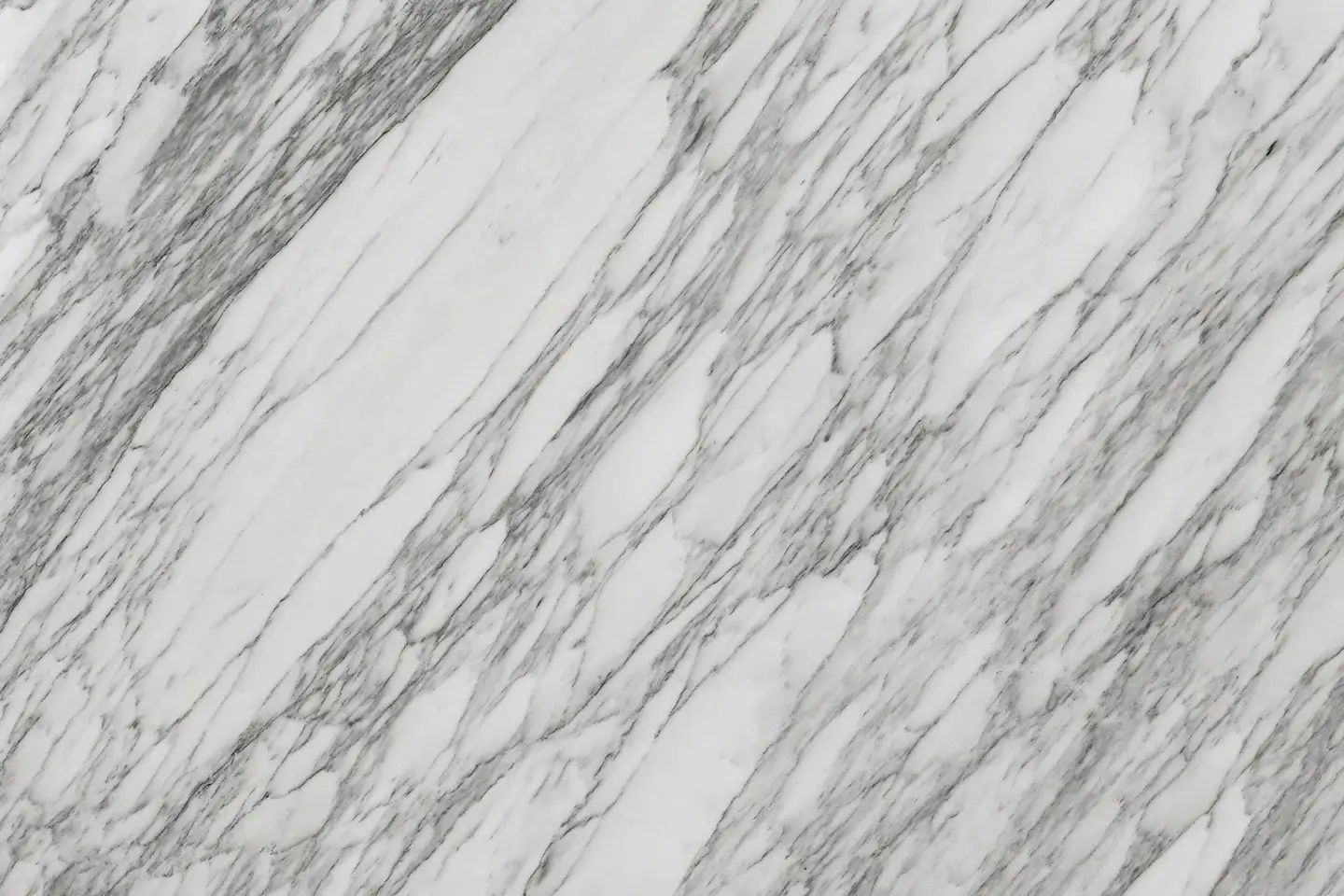
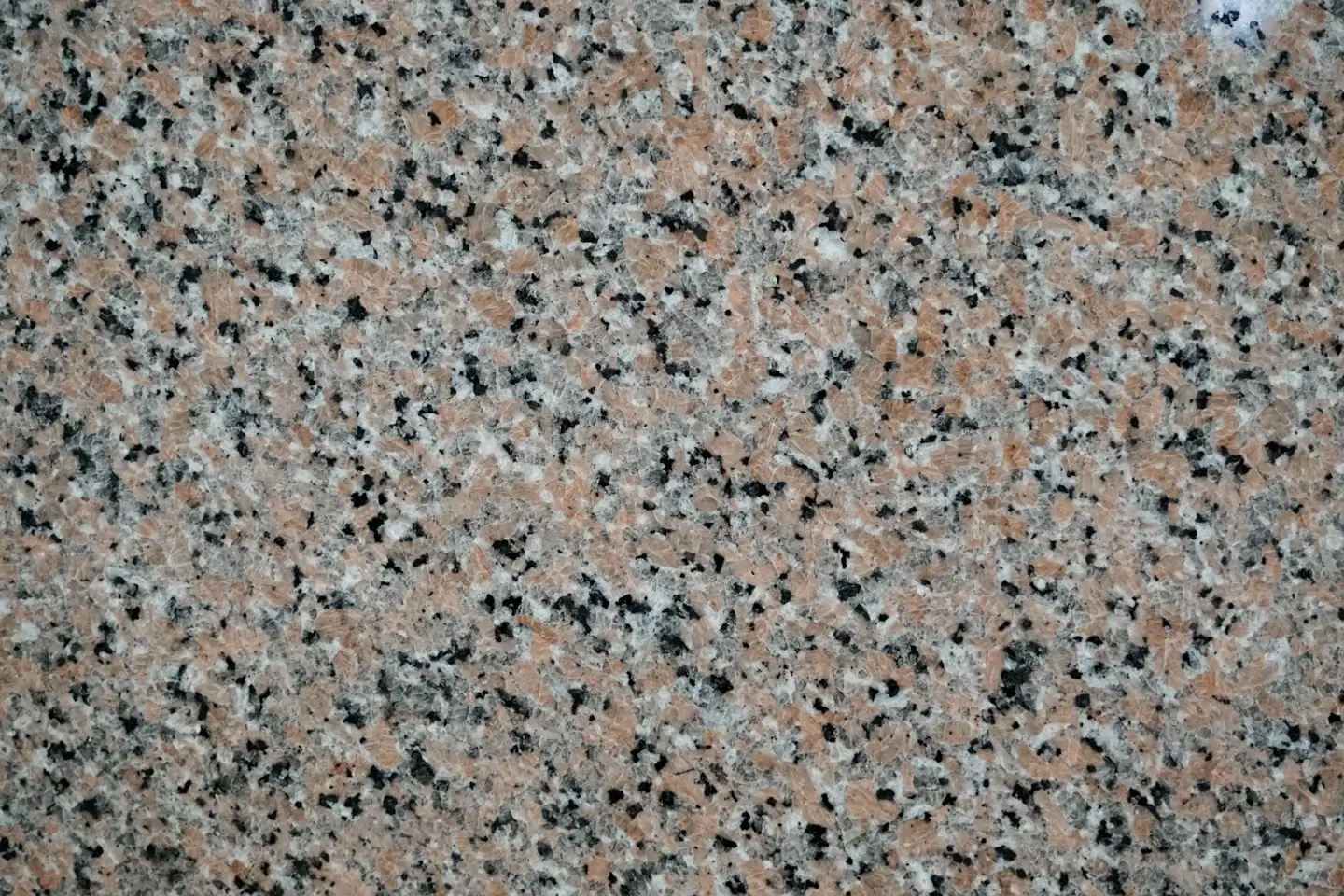
Granite exhibits patterns of mineral fragments and flakes, with a uniform texture. The mineral crystals are tightly bonded, resulting in a dense and hard rock. Granite found in Thailand typically shows patterns of scattered mineral spots or flakes rather than linear arrangements. However, some types of granite found abroad exhibit linear patterns resembling the veins of marble, although the flakes are still visible and not as smooth as marble or quartzite
Strength
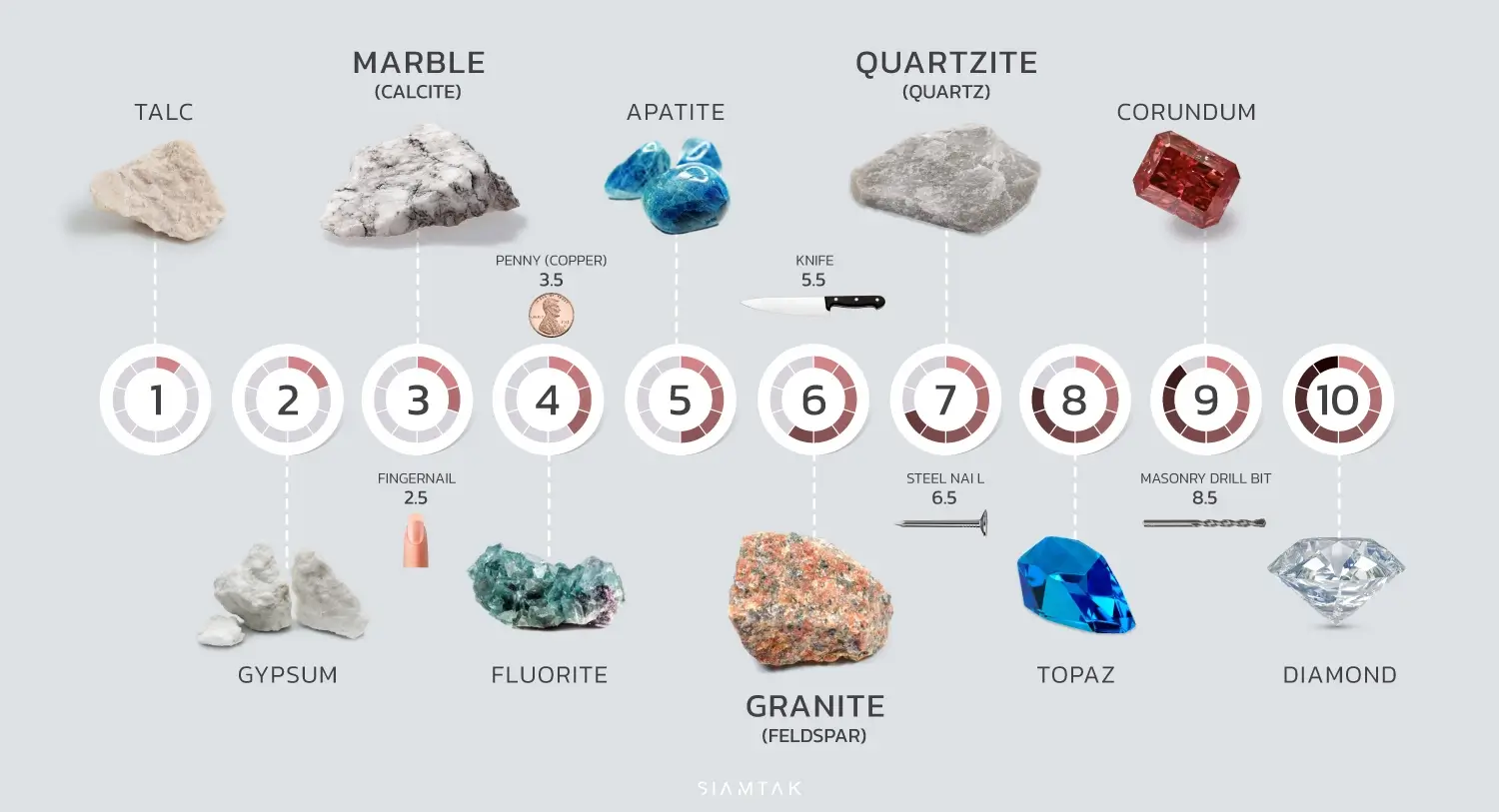
- Marble is one of the least hard rocks because it is primarily composed of calcium carbonate, or limestone. Its Mohs hardness rating is only 3, which is not very hard at all. Even a human fingernail has a hardness of 2.5, and a penny has a hardness of 3.5, which can scratch the surface of a rock if it's not protected
- Granite is relatively strong because it is composed of feldspar, which has a Mohs hardness of 6, and quartz, which has a Mohs hardness of 7. Overall, granite has a hardness of 6-6.5, depending on the mineral composition. This makes it stronger than a kitchen knife (hardness 5.5), making it suitable for kitchen countertops as it is less prone to scratches
- Quartzite is the strongest of the three types of stone because it is primarily composed of quartz minerals. It has a Mohs hardness rating of 7, which is harder than steel nails (hardness rating 6.5). Therefore, it is suitable for a wide range of decorative applications, from light-duty areas like TV walls to heavy-duty areas like kitchen countertops

The advantages of each type of rock
The main advantage of natural stone is its truly natural patterns. Each slab of stone that is harvested will have a unique pattern because the natural patterns shift over time according to the mineral conditions in the mountain, making each slab truly distinctive
These three types of stone also retain coolness well and are very durable, lasting for hundreds of years if properly cared for
marble
- The advantage is that the patterns are beautiful, delicate, and come in a wide variety of shades and tones, allowing you to choose one that matches almost any home style
granite
- Its advantages include high durability, resistance to scratches and abrasions to a certain extent, and excellent heat resistance. However, it's still not recommended to place extremely hot objects, such as a pan, directly on the stone. Additionally, it retains coolness, though perhaps not as well as marble
Quartzite
- It combines the advantages of both marble and granite, offering beautiful and delicate patterns, along with exceptional strength, resistance to scratches, and durability against heat and weather

If you ask whether quartzite is the best, we would have to say yes. Quartzite offers both beauty and strength, but it comes at a higher price than marble and granite. However, it's worth the investment considering its superior properties
Each stone is suitable for which installation location?
Regarding installation, due to the varying hardness of each type of stone, some stones can only be installed in certain areas
Marble – Can be installed in areas that are not heavily trafficked, such as walls, countertops, kitchen countertops, stairs, or areas with low traffic, as well as furniture and decorative items. This weakness can be addressed by applying a coating, which makes the surface more resistant to scratches and allows for repolishing to remove imperfections. However, this does not make the surface as durable as granite or quartzite
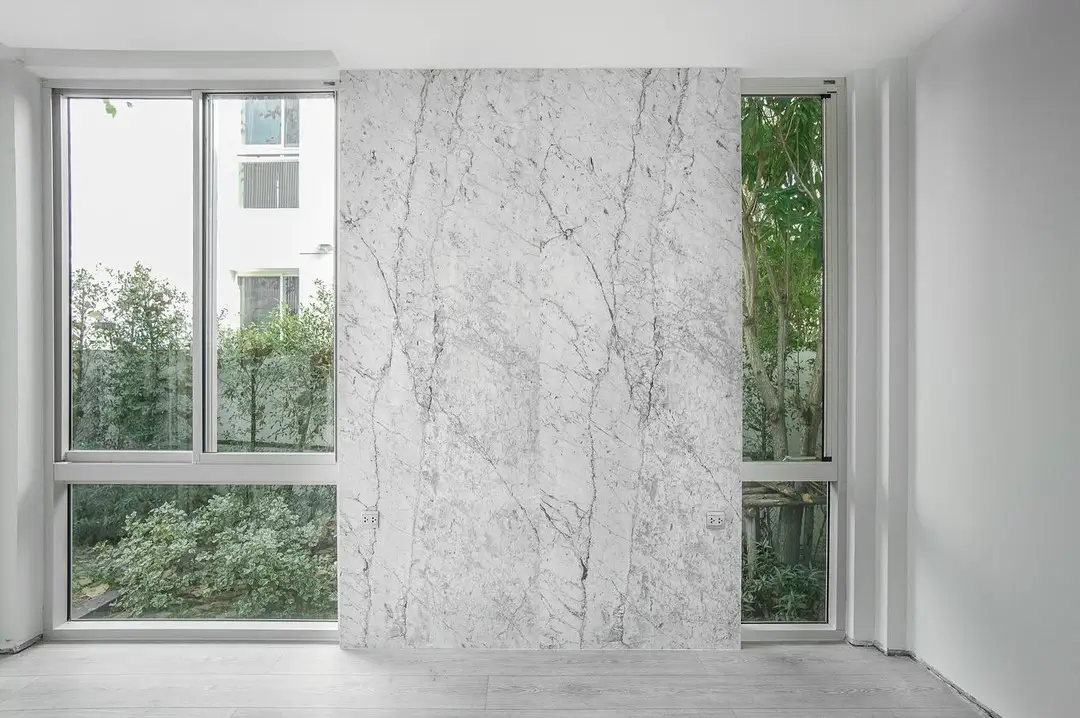
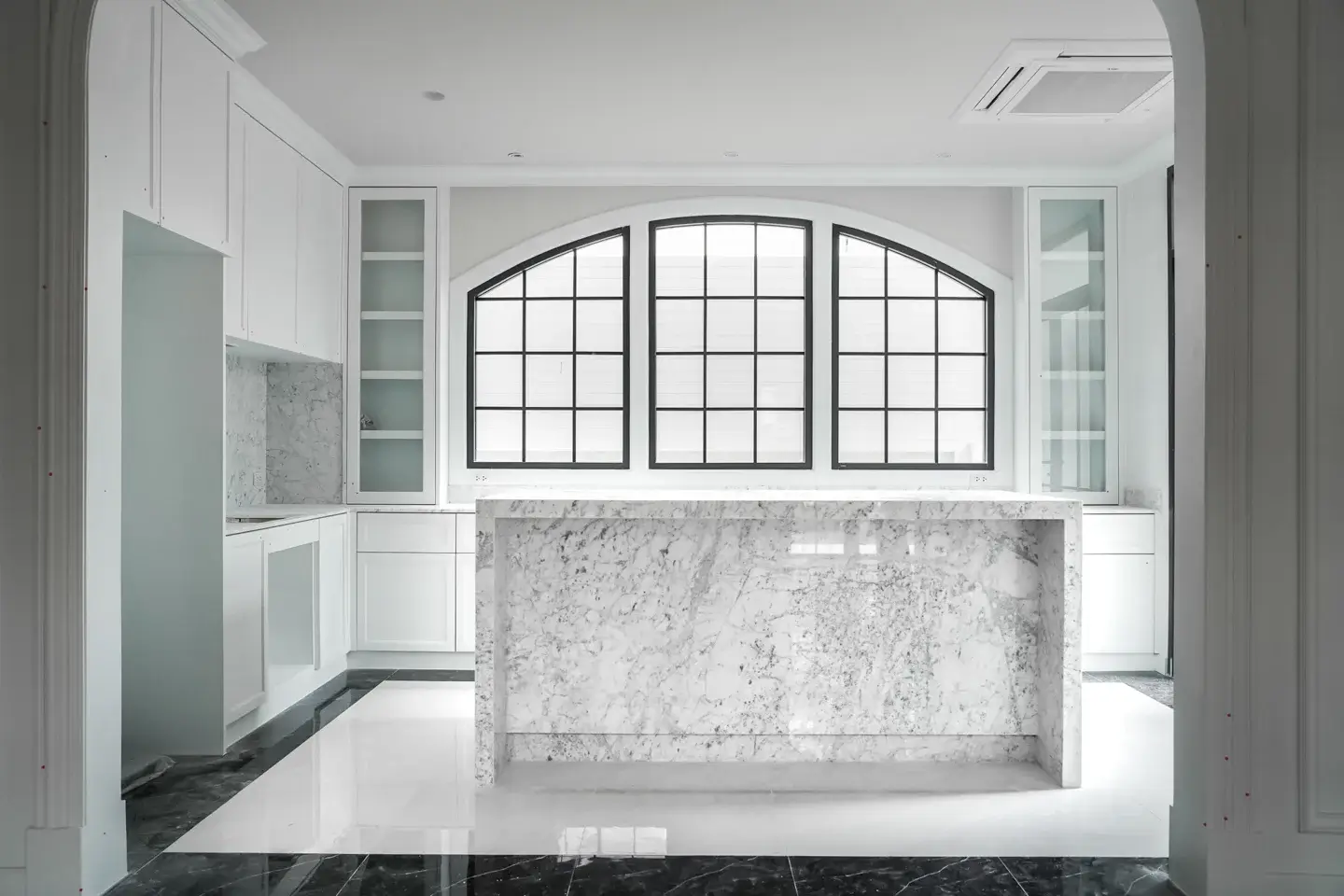
Granite and quartzite – Due to their hardness levels of 6-7, these two types of stone are more durable than marble, making them suitable for a wider variety of applications. Besides being used like marble, they can also be used for heavy-duty Thai kitchen countertops, interior and exterior flooring, or even swimming pool walls, especially quartzite which is highly weather-resistant
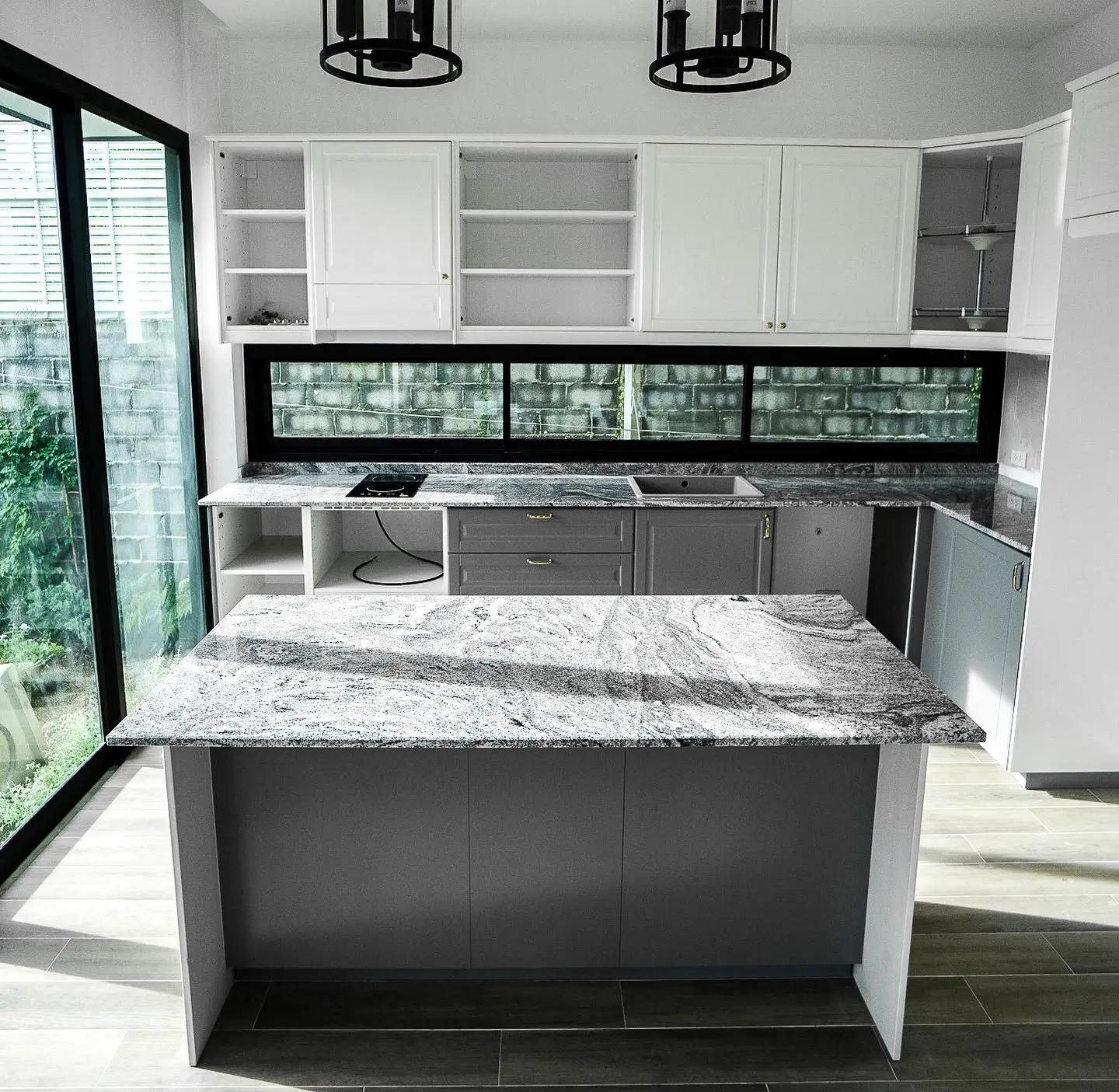
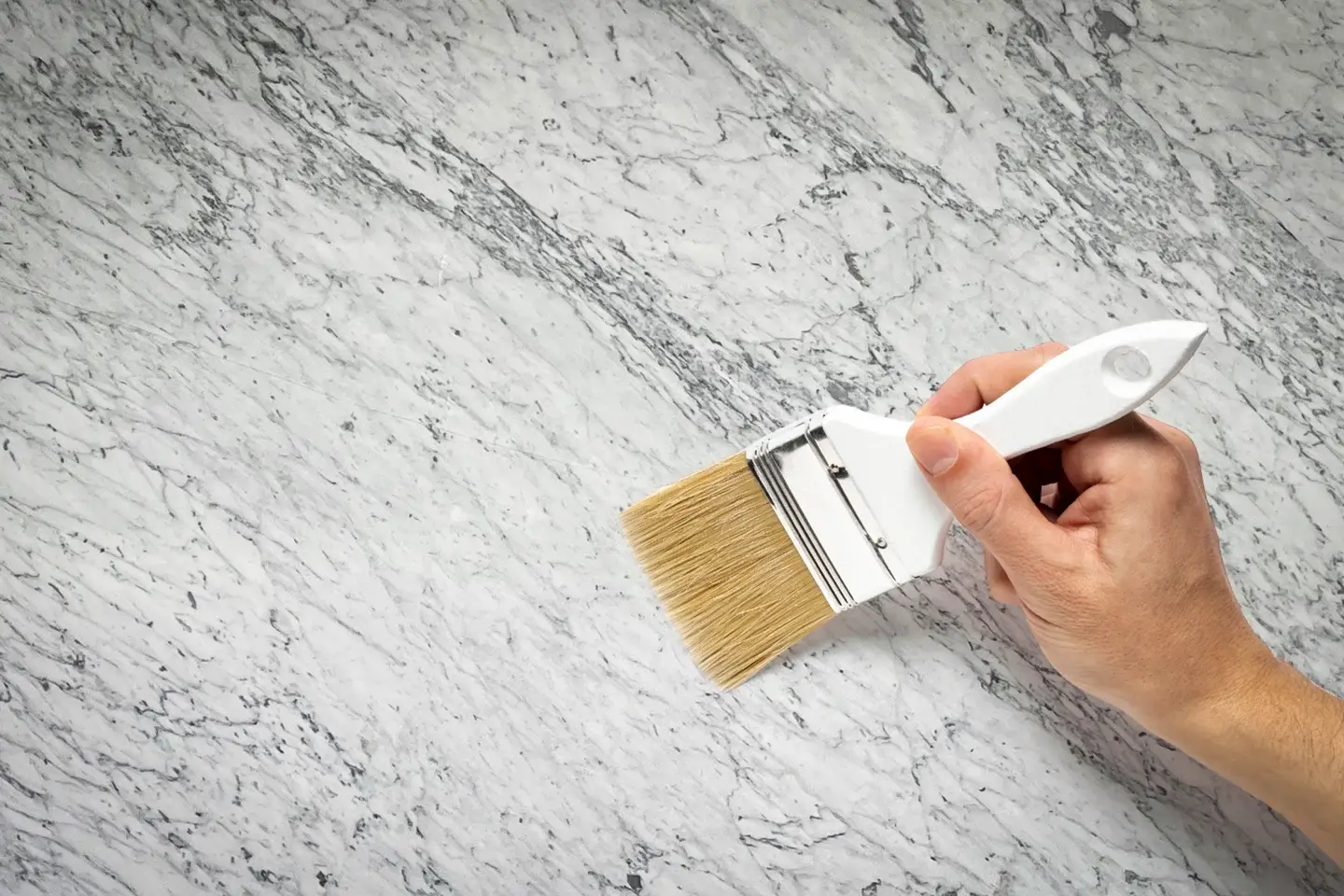
However, for best results, the stone should be coated or sealed before installation to increase its durability and prevent water from seeping through the pores, which can cause stains on the surface
Care and maintenance
Each stone requires similar care, but it may vary depending on its hardness. Harder stones don't need as much care as less hard stones
- Due to the porous nature of stone, most rocks are susceptible to water seepage. Therefore, if you spill anything on a stone, it's recommended to wipe it clean immediately to prevent stains
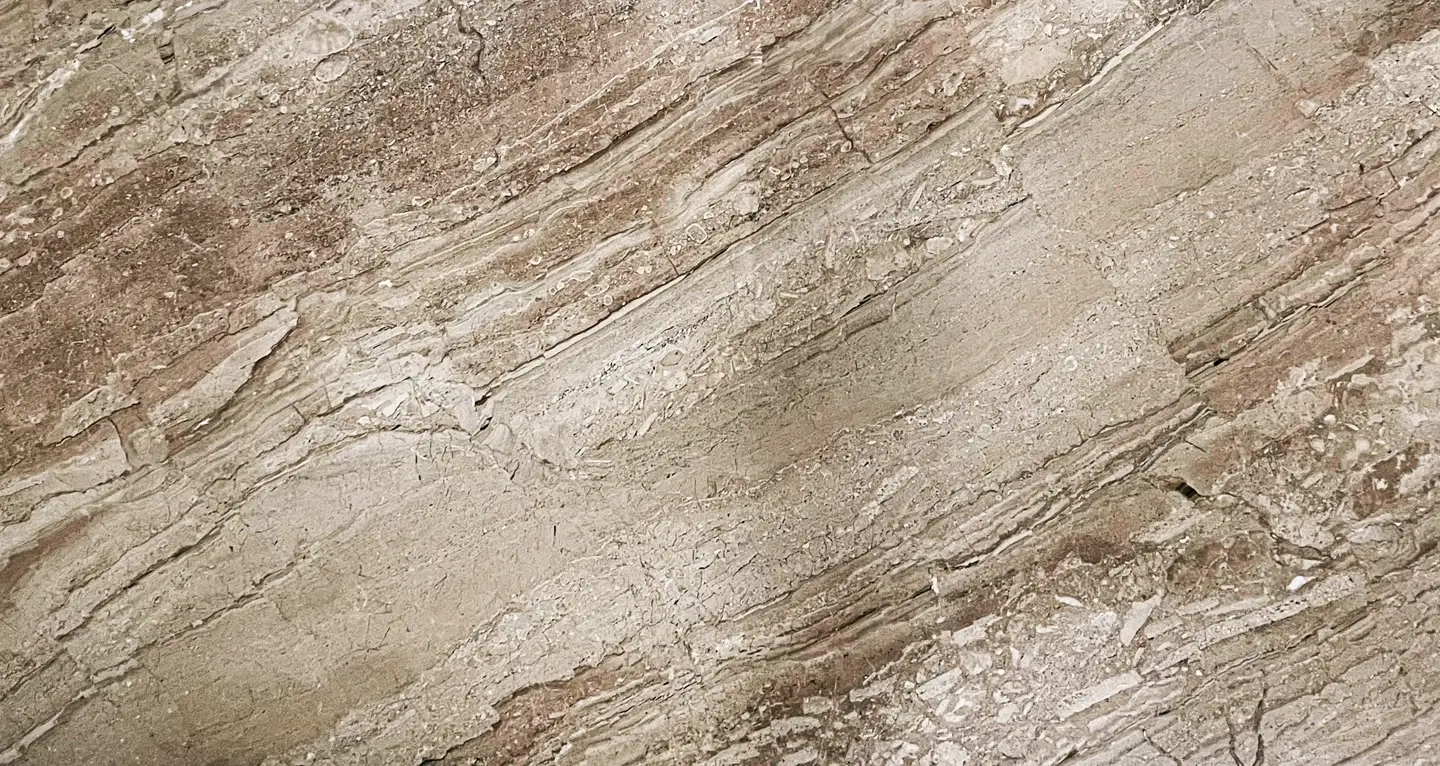
- The stone should be cleaned regularly, perhaps once every 1-2 weeks, using a diluted dish soap or water solution to wipe the surface and then dry it. Alternatively, a specialized stone cleaning solution can be used. Occasionally, a stone duster may be used to keep the stone looking new
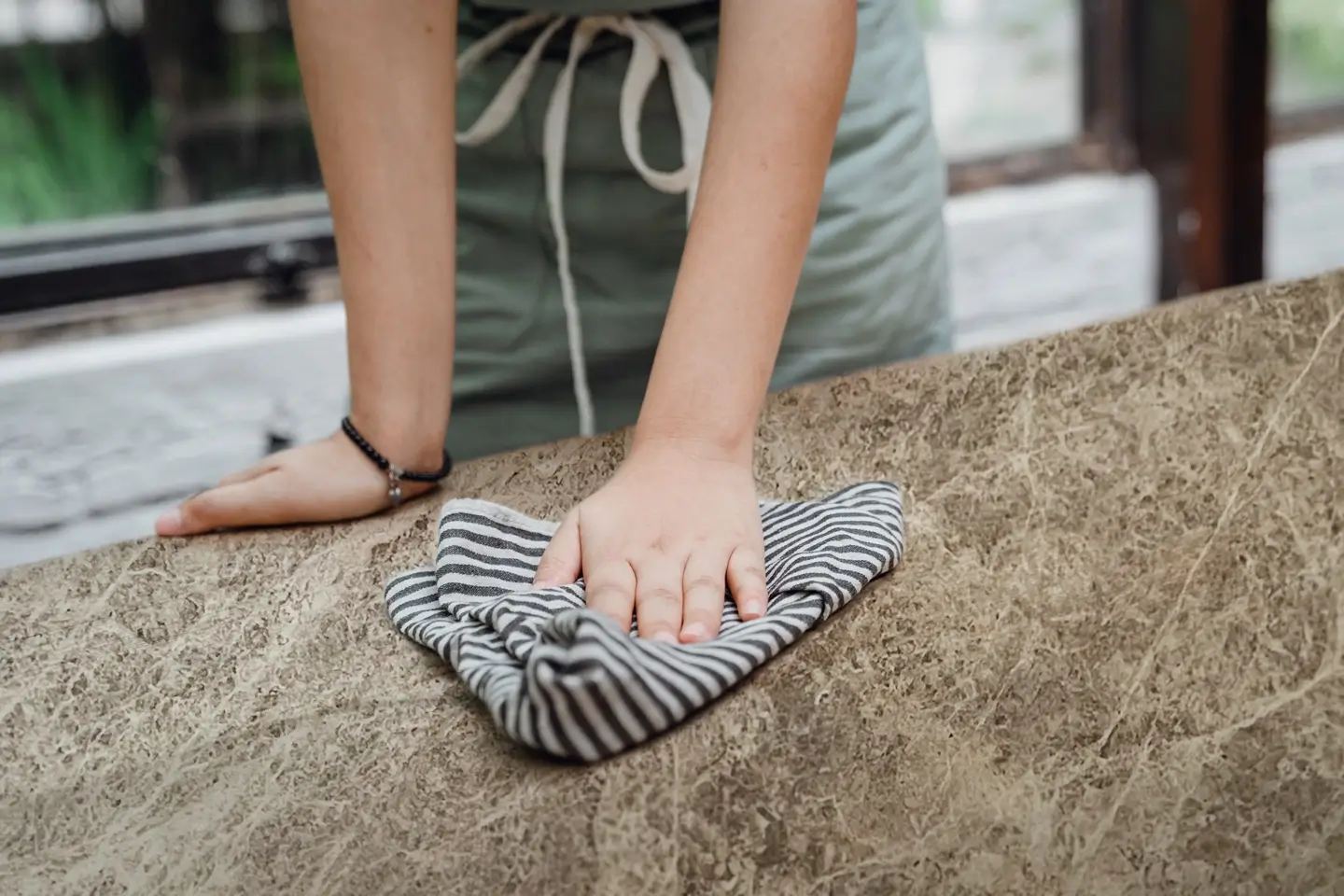
- Stone surfaces should be re-sealed when the protective coating begins to deteriorate to prevent scratches and stains. Marble requires more frequent sealing due to its less hardness and susceptibility to coating degradation. Granite and quartzite may only need a single initial sealant before installation or less frequent re-sealing
- If the stone surface is scratched, we can polish it to remove the scratches. You can do this yourself, or you can hire a specialist. However, we recommend hiring a specialist because marble requires specific tools and chemicals for handling the stone
- For tea, coffee, and wine stains, use a mixture of 1 part hydrogen peroxide and 4 parts clean water. Wipe the stain until it disappears
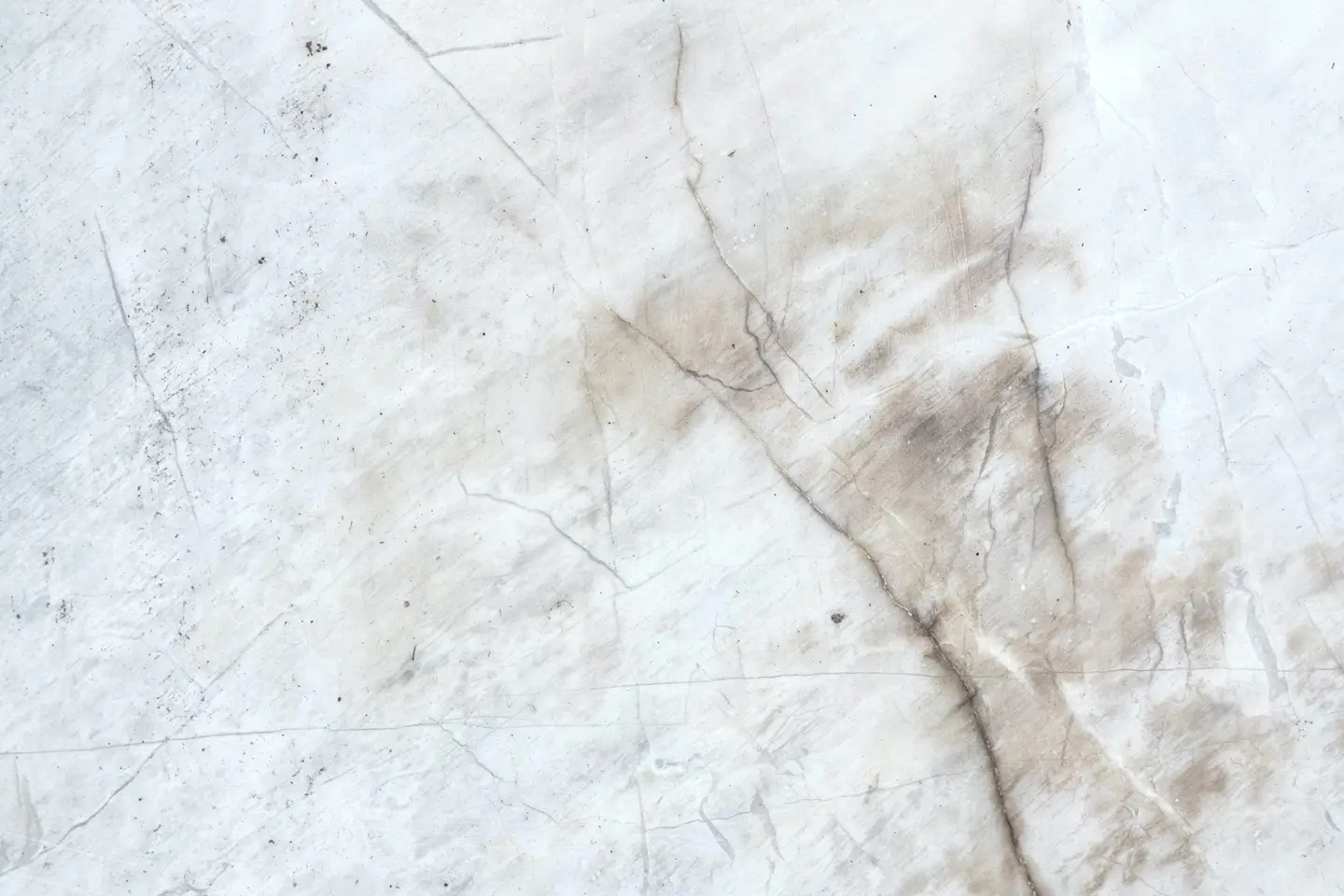
If you're interested in marble, granite , orquartzite can be incorporated into your home, get expert advice and more information from our stone professionals at @LINE Siamtak and Facebook Siamtak
Discover home decorating ideas and how different types of stone can enhance your home through Instagram @SiamtakSiamtak Natural decorative stones offer endless possibilities.